
EXCLUSIVE: 'Girls' Most Shocking Scandals Laid Bare After Lena Dunham Releases Tell-All Memoir — From 'Whitewashing' to 'Rape' Scene

Lena Dunham's new memoir is filled with shocking revelations.
May 2 2026, Published 5:00 p.m. ET





Lena Dunham has reignited debate around HBO's Girls after detailing fresh allegations about her co-star Adam Driver in her new memoir, alongside renewed scrutiny of the show's most contentious storylines and cultural flashpoints.
As Breaking Celebrity News has reported, Dunham, 39, who created and starred in the series from 2012 to 2017, alleges in her memoir, Famesick, that Driver, now 42, displayed volatile behavior during filming, including apparently throwing a chair and shouting at her.
'Girls' Legacy Marked By Praise And Controversy

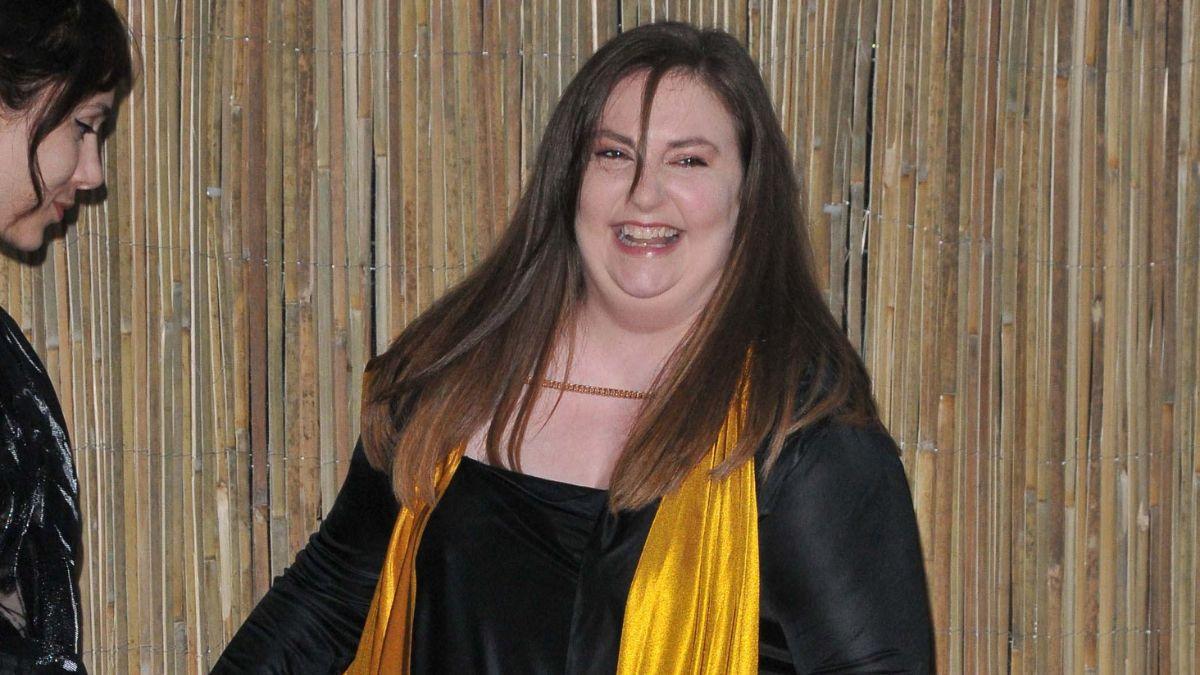
Dunham details fresh allegations about her co-star in her new memoir.
Girls, which followed four young women navigating life in New York, won major accolades, including a Golden Globe and a BAFTA, and was later ranked among the most influential television series of its era.
But despite its acclaim, Girls became a lightning rod for criticism over issues ranging from diversity and depictions of sex to accusations of nepotism and off-screen controversies involving its creators and cast.
One source familiar with the production's history said: "Looking back, what stands out is how the show's creative environment often mirrored the intensity of what appeared on screen – there was a sense of unpredictability that could tip into discomfort.
"While it was framed as part of a broader artistic process, some moments described in retrospect suggest a workplace dynamic that, at times, crossed into something far more challenging for those involved."
'Tension' on 'Girls'
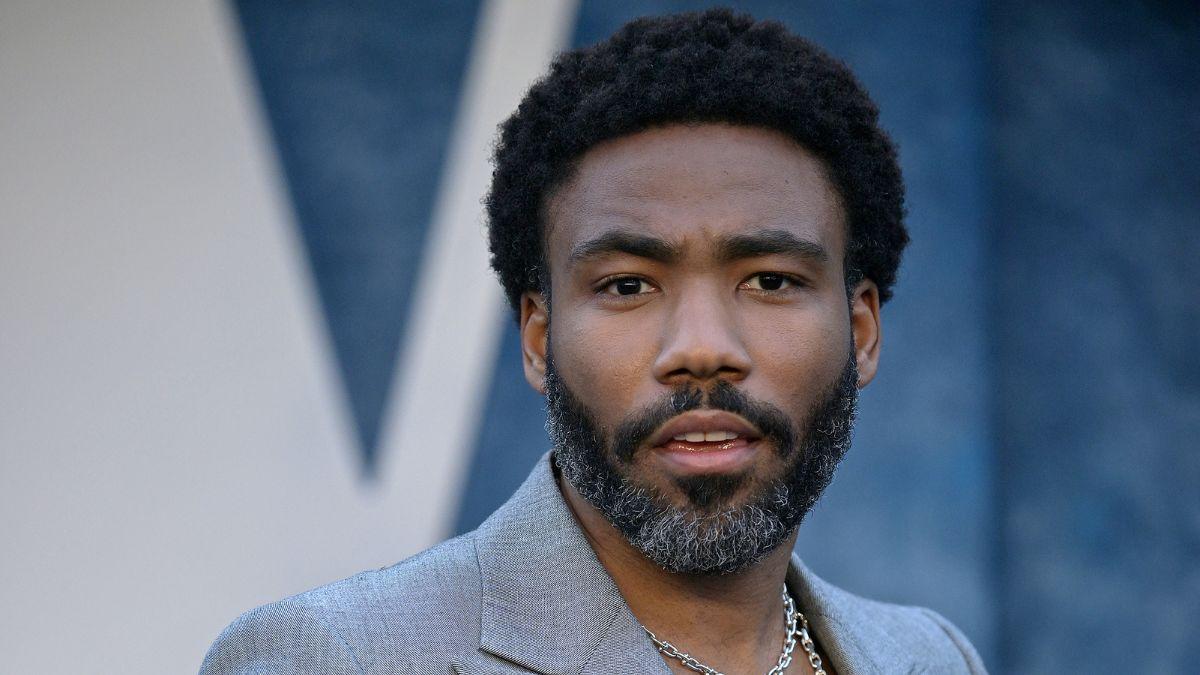
Donald Glover improvised satirical dialogue about white privilege during his guest role.
The insider also told us: "At the same time, the surrounding controversies – whether about representation, casting decisions, or the show's handling of sensitive themes – reveal a pattern where creative ambition and public accountability were frequently in tension, amplifying scrutiny with each successive season."
The series faced early backlash over its largely white cast – dubbed "whitewashing" – with critics arguing it failed to reflect the diversity of New York City.
Dunham addressed the issue in interviews, explaining her reluctance to depict experiences she felt unqualified to represent.
Later casting decisions, including the introduction of Donald Glover, prompted further debate, with some questioning whether such moves were reactive rather than organic.
Glover's improvised dialogue in one episode – in which his character satirized white privilege – became one of the show's most discussed moments.
Lena Dunham Goes Off on Howard Stern: 'I'm Not That Fat'
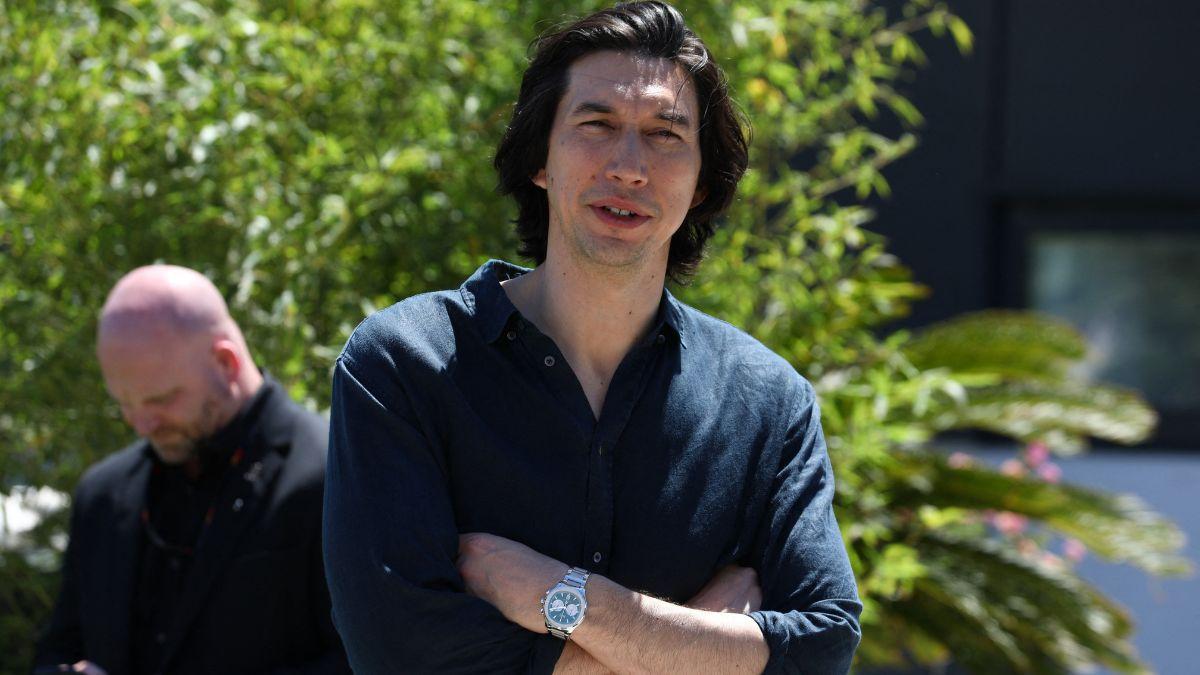
Adam Driver displayed volatile behavior during the filming of the series, according to Dunham.
Controversy also surrounded a 2013 episode depicting a sexual encounter between Driver's character and his on-screen partner, played by Shiri Appleby. The scene, which explored consent and discomfort, divided audiences and critics.
Writing at the time, commentators described it as deeply unsettling, raising questions about the boundaries between consensual but unwanted sex and assault, with many wondering whether it should have been classed as a rape scene.
Dunham herself became a frequent target of public criticism, particularly over the show's nudity and her body.
She told The New York Times there "was an intense rage about my body, which is so crazy to look back on now."
Critics, including Howard Stern, made disparaging remarks about her appearance, prompting Dunham to respond publicly: "I'm not that fat, Howard."
The backlash extended to storylines, including a plot involving a relationship between her character and a conventionally attractive doctor, played by Patrick Wilson, which drew commentary about perceived realism and desirability.

'You Can't Speak to Me This Way'

Never Miss an

Daily updates from the heart of Hollywood, right to your inbox
By entering your email and clicking Sign Up, you’re agreeing to let us send you customized marketing messages about us and our advertising partners. You are also agreeing to our Terms of Service and Privacy Policy.
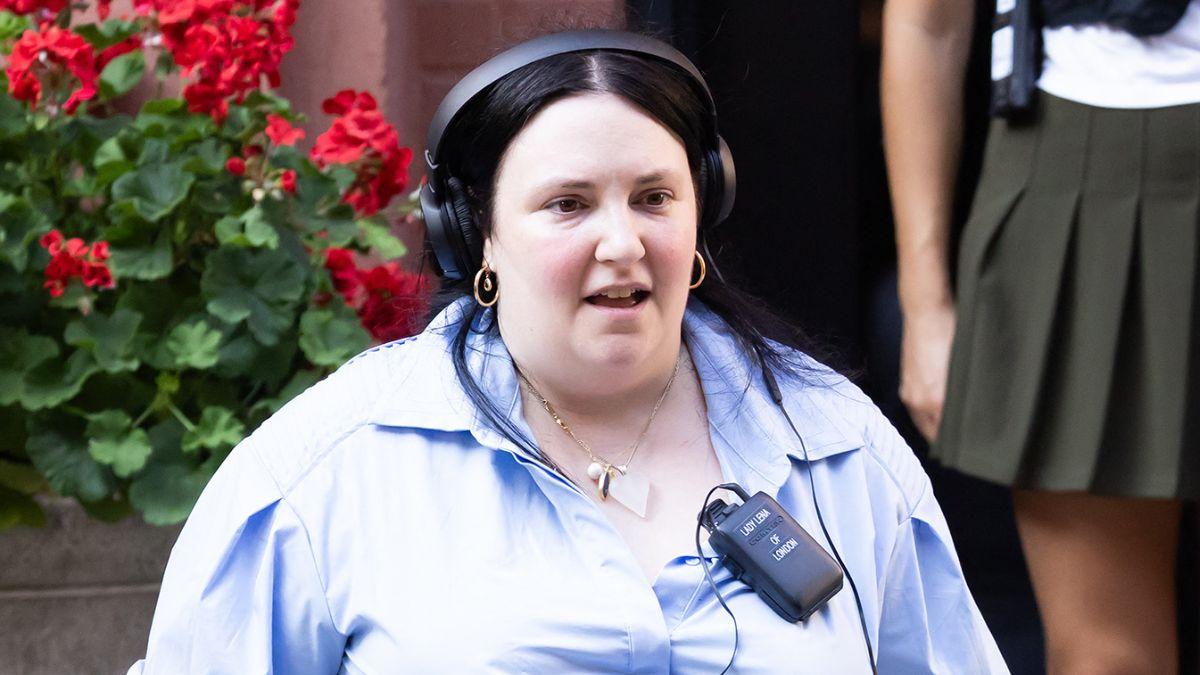
Dunham defended a show writer against serious allegations in 2017.
Yet more controversy emerged in 2017 when Dunham and co-showrunner Jenni Konner defended writer Murray Miller against a rape allegation made against him by actress Aurora Perrineau.
The response, in which they suggested the accusation may have been false, sparked significant backlash and led to a subsequent apology from Dunham, who later said: "Every woman who comes forward deserves to be heard, fully and completely, and our relationship with the accused should not be part of the calculation anyone makes when examining her case."
Questions around privilege also followed the cast, with attention drawn to the prominent backgrounds of several actors, including Allison Williams, daughter of broadcaster Brian Williams, and Zosia Mamet, whose parents are playwright David Mamet and actor Lindsay Crouse.
Dunham, whose parents are artists Carroll Dunham and Laurie Simmons, rejected accusations of nepotism, arguing her work stood independently.
In her memoir, Dunham also reflects on her dynamic with Driver during the show's production, including moments of personal tension and emotional complexity.
She said: "At the time, I didn't have the skill to… it never entered my mind to say, 'I am your boss, you can't speak to me this way.'"