



Lynette Fromme: The Original Manson Family Member Who Tried To Assassinate President Gerald Ford
July 18 2021, Published 12:42 p.m. ET





In the summer of 1969, the idealist hippie dream was shattered when over, two hot August nights, Charles Manson’s “family” gang brutally murdered seven people in their own homes, including the actress Sharon Tate, who was eight months pregnant at the time.
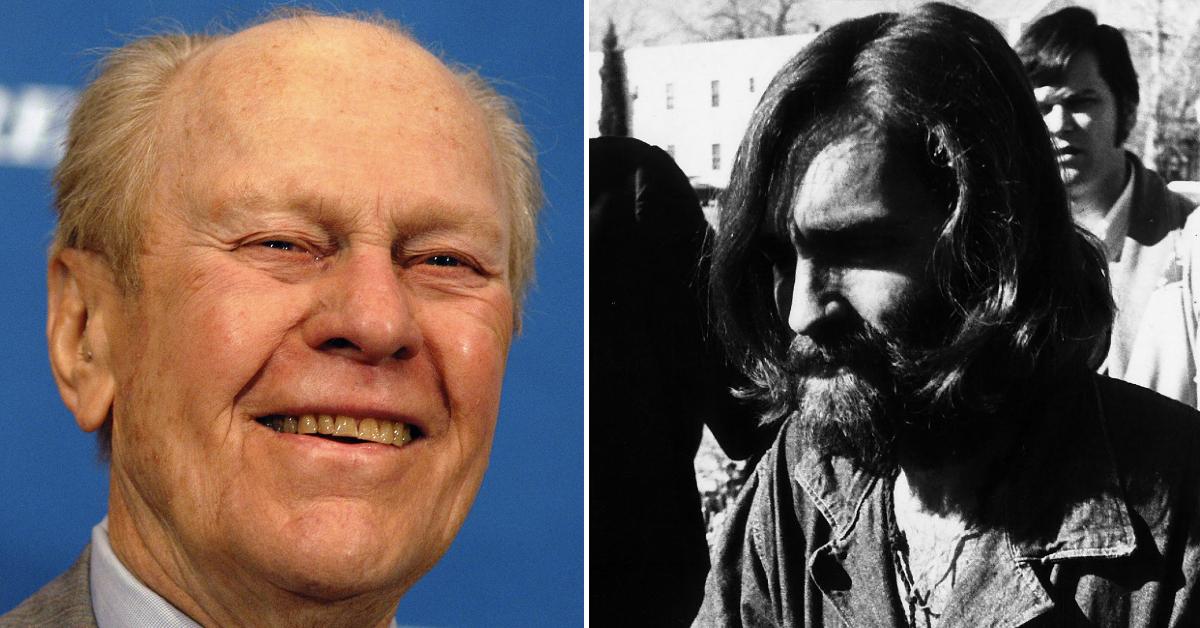
Manson was not captured until October of that year, and as the full horror of his fanatical cult was revealed during his trial, America reeled. Charles Manson was not just a deranged psychopath, but also an extraordinarily charismatic leader who had brought dozens of followers under his spell -- most of them young women. They would die for him, and they would kill for him.

His most ardent acolyte, and de facto second-in-command, was Lynette Fromme, who was just 21 at the time of their killing spree. And as authors Dylan Howard and Andy Tillett reveal in their book, The Last Charles Manson Tapes: Evil Lives Beyond the Grave, she not only remained loyal to Manson after his incarceration but in 1975 even attempted to kill the President of the United States. “Did Manson have a hand in Fromme’s assassination attempt?” they write. “Almost certainly.”
Lynette Fromme met Charles Manson when she was still a teenager. As Howard and Tillett explain, she, like many of his followers, was already deeply troubled.
“Fromme had been born in Santa Monica, California, in 1948 and was a good student at Orville Wright Junior High School. She was a talented dancer, in a troupe that performed at the White House, but developed problems at home and by the time she was thirteen, was no longer speaking to her father. By fifteen she had taken to burning herself with cigarettes and drinking heavily. She then left home permanently after a blow-out fight with her dad.
“In 1967, she was drifting when she met Charles. As Fromme recalled in her own autobiography, he introduced himself by telling her people in the area referred to him as ‘The Gardener,’ because his role was taking care of ‘the flower children.’”
The couple, along with fellow Family member Mary Brunner, drifted through California, soaking up the “tune in, turn on, drop out” spirit of the times. Manson continued to develop his ‘philosophy’ encouraging the girls to free their minds,” write Howard and Tillett, “and encouraging them all to have sex together, so the two girls would lose their inhibitions. Through the force of her personality, humor, energy, and absolute devotion to Charlie, she would be treated as Charlie’s second-in-command.”
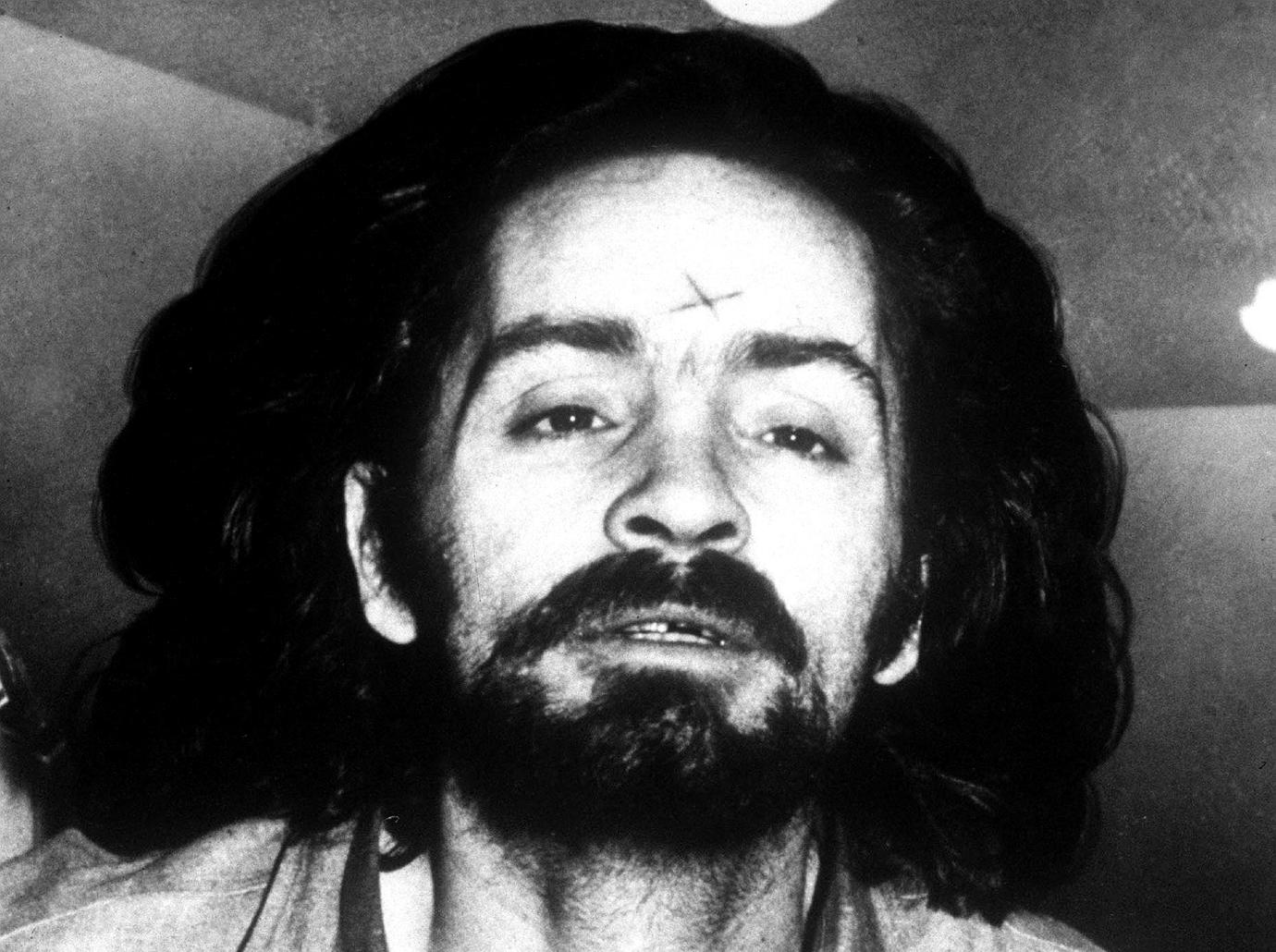
More followers fell under Manson’s spell. By 1969 the Family would be dozens strong, and whatever hippie ideals they once held had been twisted into an apocalyptic ideology he dubbed “Helter Skelter” that culminated in the horrific events of August and a death toll that reached at least nine.
Finally, the police caught up with the gang, and on October 12, 1969, Manson’s orgy of killing came to an end.
As Fromme had not been directly involved in any of the murders, she escaped the most serious charges, convicted only of attempting to prevent others from testifying, as well as contempt of court, and receiving only short sentences.
Even as the full extent of Manson’s evil was laid bare before the world, Fromme kept the faith, turning up every day throughout his trial to protest outside the court. As the authors note, “Lynette Fromme, the Family’s nominal leader in Manson’s absence, and [fellow Family member] Sandra Good were among those still maintain