


EXCLUSIVE: Mick Jagger Heroin Shock — Why Rolling Stones Frontman is Raging Over Claim He Was Nearly Killed by Extreme Drug Abuse

Jagger pushed back on claims of near-fatal heroin drug abuse
May 2 2026, Published 1:00 p.m. ET





Mick Jagger is said to be furious over claims he nearly died from heroin use in the 1970s, Breaking Celebrity News can reveal.
He's understood to be raging after a newly published biography alleged The Rolling Stones frontman, now 82, collapsed and had to be revived in a New York apartment.
'Lips Were Turning Blue'

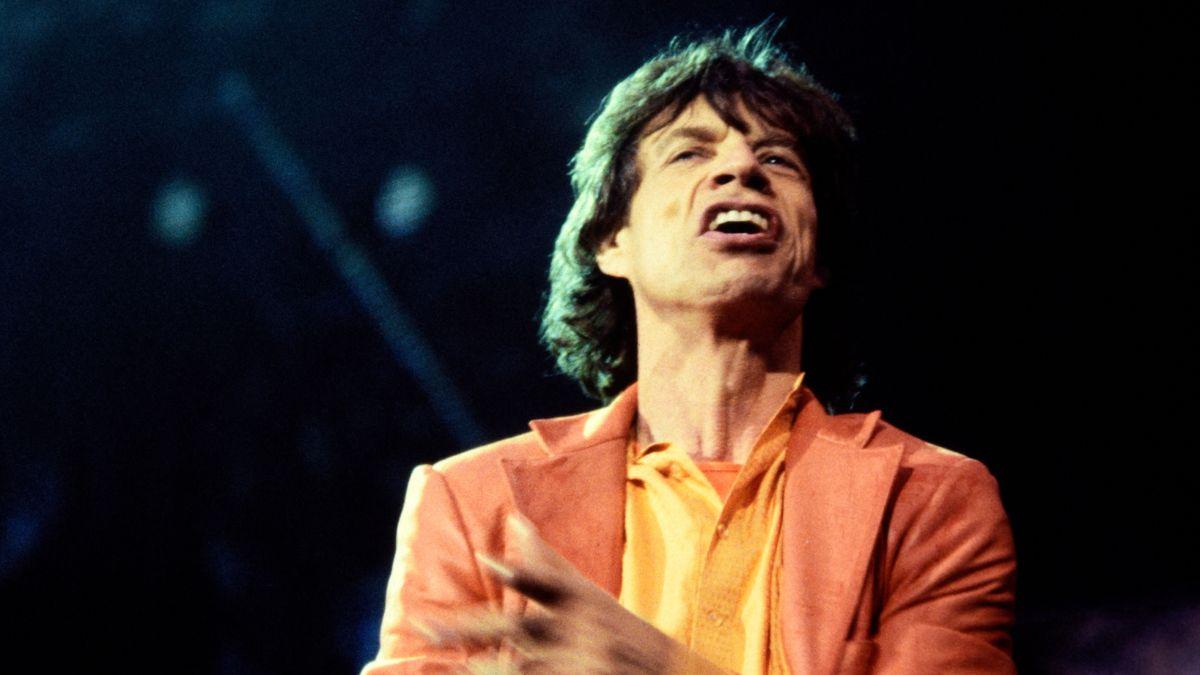
Mick Jagger slammed a new biography claiming a 1970s heroin emergency.
The account appears in The Rolling Stones: The Biography by Bob Spitz, drawing on recollections from record producer Marshall Chess.
Chess claimed the incident took place in 1976, when Jagger visited him late at night after a party while he was attempting to get clean.
According to the book, the pair went in search of drugs and encountered what is described as a "Buddhist heroin dealer he knew who was at the beck and call of New York junkies 24 hours a day."
Spitz writes: "Mick was out cold. Chess tried dragging him upright, even slapped him a couple of times, but – nothing."
He added Jagger's "lips were turning blue," prompting panic he was dead.
Chess is quoted as saying: "I didn't know what else to do. I was freaked. Mick Jagger's gonna die in my f------ apartment."
Exaggerated Narrative

Bob Spitz claimed execs and Faye Dunaway hid him in a hospital.
Sources close to Jagger said the singer is angered by what they describe as an exaggerated narrative.
One insider told us: "There is deep frustration about how this period of his life is being portrayed – it risks reducing a complex history to a single sensational episode.
"Mick has always acknowledged excess in the band's early years, but there is a feeling this account crosses into speculation."
The book claims Chess called an ambulance and contacted Ahmet Ertegun, then president of Atlantic Records, who allegedly arrived with actress Faye Dunaway, who at the time was married to J Geils Band frontman Peter Wolf.
Dunaway is said to have contacted a friend at Lenox Hill Hospital to "arrange a room where they could stash Mick so there would be no publicity."
Resuscitation and 1970s Drug Culture

Keith Richards and Ronnie Wood battled and overcame addiction.
Chess reportedly attempted mouth-to-mouth resuscitation before emergency services arrived, placing Jagger on oxygen "at which point he started breathing again."
The dramatic account adds to longstanding stories about drug use within the Stones during the 1970s, though not all claims have been independently verified.
Jagger's former wife Jerry Hall previously addressed his drug use in her autobiography, recalling finding out he was an abuser early in their relationship.
She wrote: "I told him I couldn't see him if he took drugs, saying, 'Go away and don't come back until you're straight.' He succeeded."
Other members of the Stones have also spoken publicly about addiction during that era.
Guitarist Keith Richards struggled with heroin dependency before overcoming it in the late 1970s, while Ronnie Wood has since spoken about his own recovery from substance abuse.


The Rolling Stones' Enduring Legacy

Never Miss an

Daily updates from the heart of Hollywood, right to your inbox
By entering your email and clicking Sign Up, you’re agreeing to let us send you customized marketing messages about us and our advertising partners. You are also agreeing to our Terms of Service and Privacy Policy.
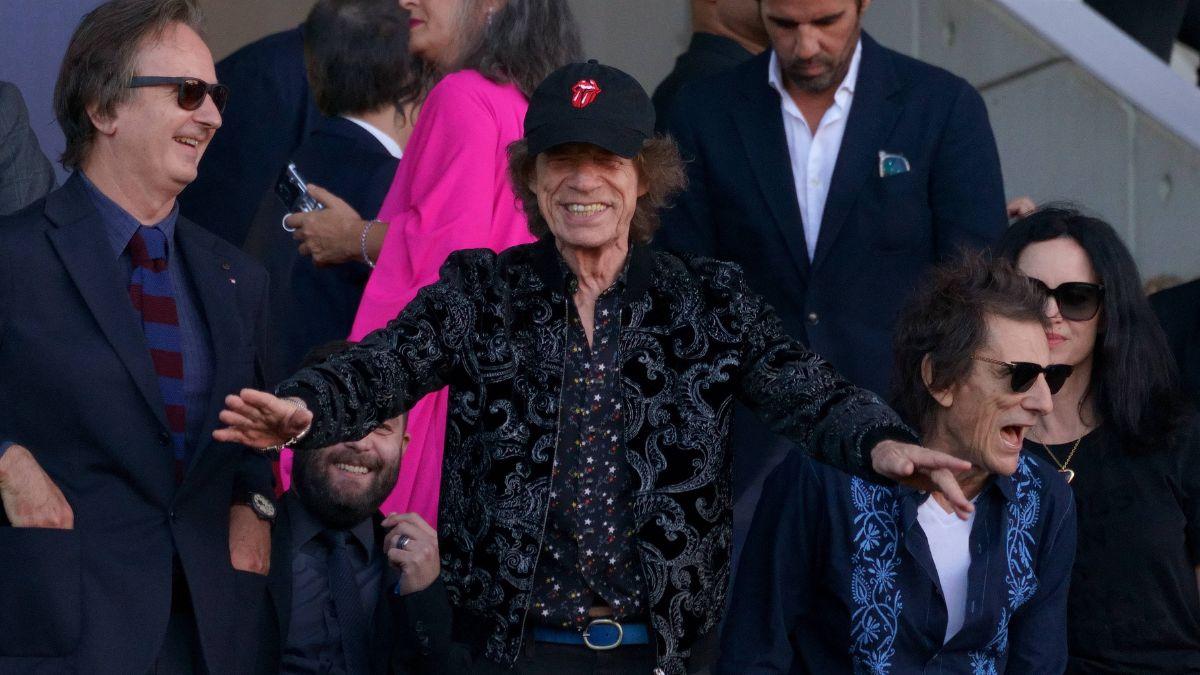
Jagger’s team called the claims speculative.
A source familiar with the band's history said: "There is no denying the excesses of that period – it was part of the wider culture surrounding rock music at the time.
"But there is also a view that these stories need to be handled with care, particularly when they rely on decades-old memories."
The Stones have enjoyed one of the most enduring and commercially successful careers in music history.
Formed in 1962, the band built a global following with iconic albums such as Exile on Main St. and Sticky Fingers.
They have sold hundreds of millions of records and continue to tour decades later, after weathering tragedies including the recent death of drummer Charlie Watts.