


The Real Anthony Bourdain: Heroin, Lies, And Sex Abuse Cover-Ups
July 14 2021, Published 10:49 a.m. ET


To millions of Americans, he was a hero, the rock ‘n’ roll celebrity chef who made food sexy, the must-watch television presenter, and the captivating author whose straight-talking, shoot-from-the-hip style revolutionized the way the restaurant business worked. Away from the kitchen, Anthony Bourdain was in his final years a leading light in the #MeToo movement, speaking out against sexual harassment in the restaurant industry, and accusing several celebrity chefs, as well as Hollywood figures including Quentin Tarantino, of “complicity” in the Harvey Weinstein scandal.
When he died by suicide in June 2018 at age 61, the world reeled, with former President Barack Obama leading the tributes to the man he described as someone who “taught us about food – but more importantly about its ability to bring us together. To make us a little less afraid of the unknown.”
But as a new documentary, Roadrunner, celebrating the life of Anthony Bourdain, is set for release on July 16, Breaking Celebrity News can reveal that away from the TV cameras and the Presidential praise, the real Anthony Bourdain was a far more complex and troubled figure, who abused his own wealth and influence to silence a serious sexual allegation made by a minor against his partner, actress Asia Argento.

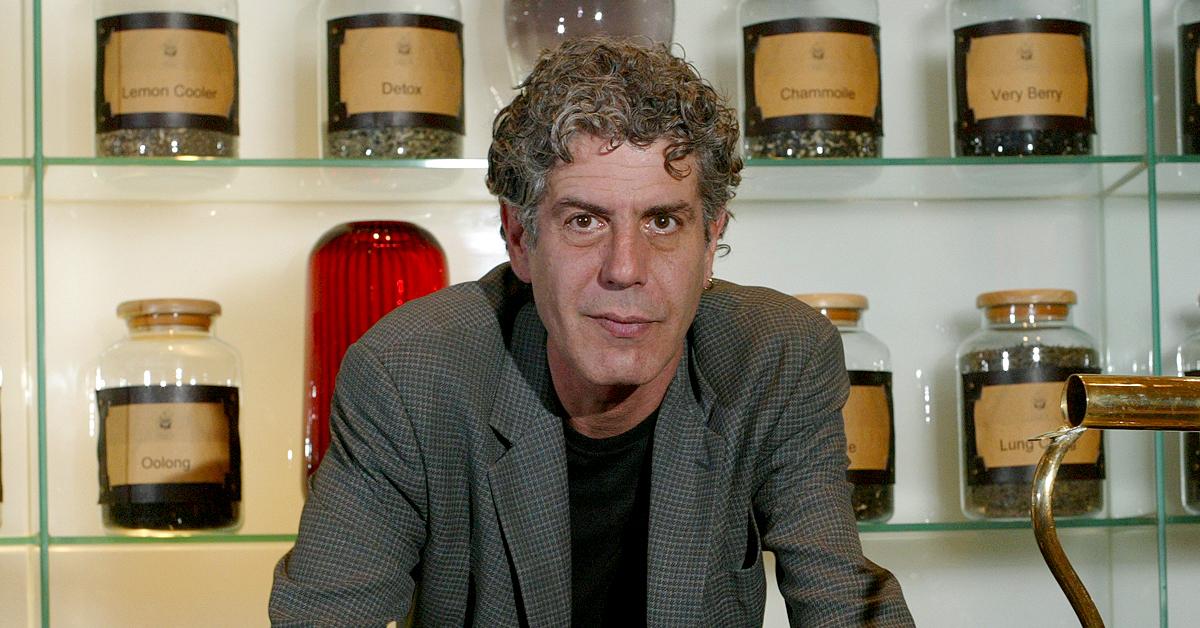
Anthony Bourdain’s death three years ago sent shockwaves across America. The chef had hanged himself in a hotel room in France, where he was filming the latest series of his hit show Parts Unknown, for reasons which even now remain a mystery.
The tributes poured in almost immediately, with fellow celebrity chefs Eric Ripert and Emeril Lagasse describing him as “an exceptional human being” and “a great soul, a mentor, a friend, a father.” Chopped and Queer Eye TV personality Ted Allen tweeted, "Tony Bourdain made the world a smarter, better place," and Top Chef judge Tom Colicchio declared, "Tony’s restless spirit will roam the earth in search of justice, truth and a great bowl of noodles.”
The eulogies were not limited to those in the food industry – as well as President Obama’s homage, retired astronaut Scott Kelly tweeted that he used to watch the chef's TV show when he was in space, and that Bourdain “made me feel more connected to the planet, its people and cultures and made my time there more palatable. Model Chrissy Teigen declared him to be "one of my idols,” adding that he was “always standing up for everything right."
In 2019, it was announced that June 25 each year would be “Bourdain Day,” in which people around the world are encouraged to raise a toast to the chef on what would have been his birthday. At the same time, the Culinary Institute of America established a scholarship in Bourdain’s honor.
That Anthony Bourdain had a profound effect on millions of people is inarguable – but was he really a hero who “roamed the earth in search of justice,” an “idol” who was “always standing up for everything right?" Or did his brilliance as a writer, presenter, and TV personality blind us to the demons that haunted him throughout his life... and even led to a betrayal of the very cause he championed?
Part of Bourdain’s charm and extraordinary onscreen magnetism lay in his colorful, controversial persona. The Smithsonian dubbed him “the original rock star” of the culinary world and “the Elvis of bad boy chefs.” He hung out with The Ramones and was friends with Alice Cooper and Iggy Pop, and famously made the playing of Billy Joel or Elton John in any of his kitchens a sacking offense.
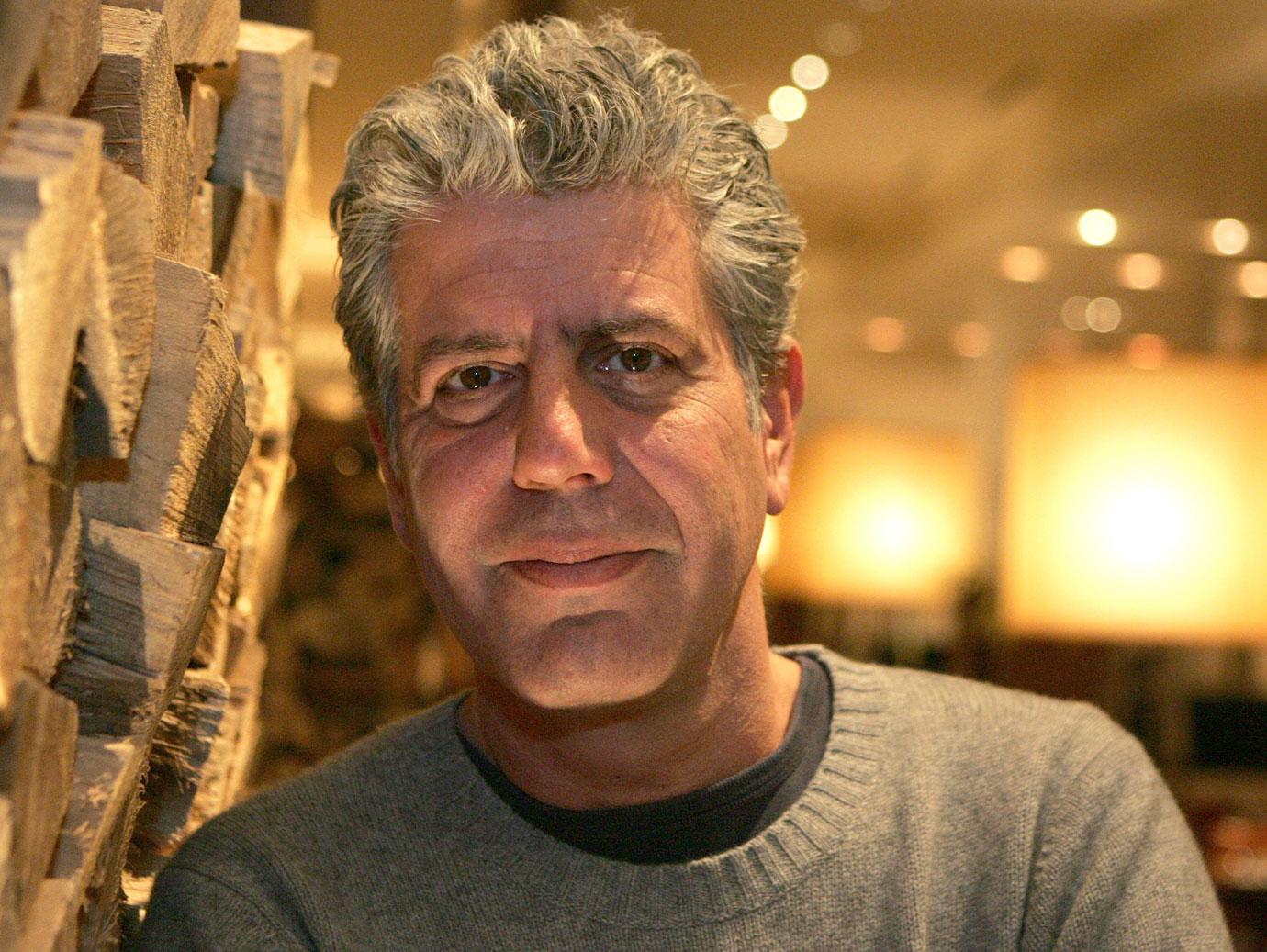
Bourdain's final text message to his assistant seemed norma