
EXCLUSIVE: Trump Faces 'Wave of Litigation' After Illegally Using AI Likenesses of Famous Lefty Enemies Like Rosie O'Donnell and Robert De Niro in 'TDS' Parody Video

Donald Trump's latest video featured AI versions of Rosie O'Donnell and Robert De Niro.

July 2 2026, Published 6:45 p.m. ET





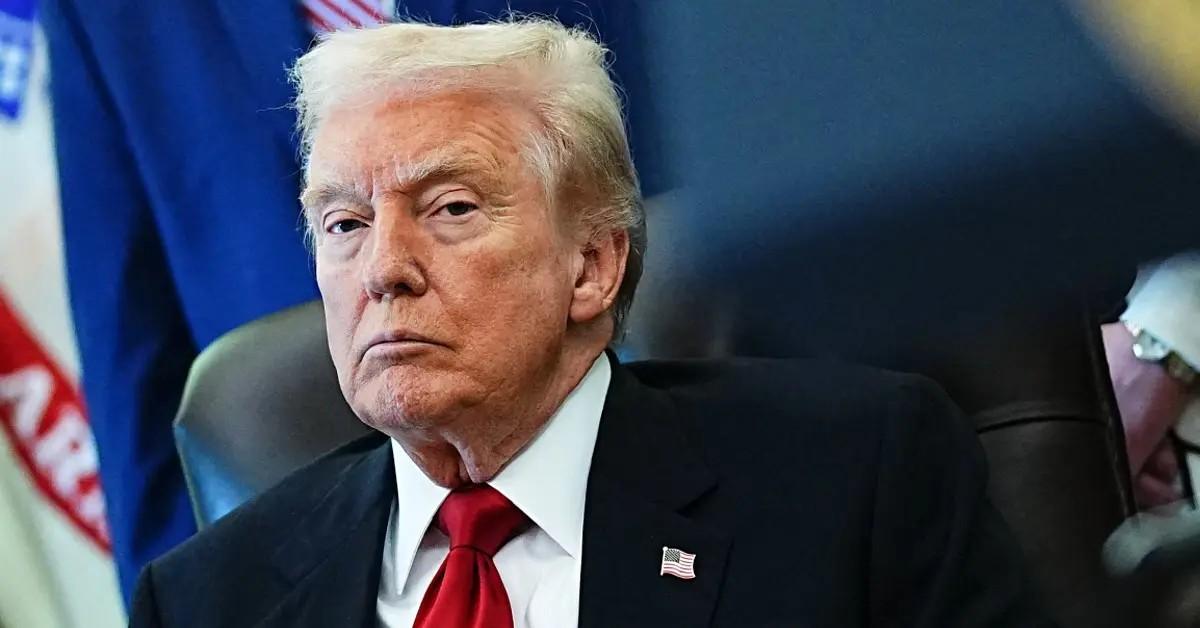
Donald Trump's latest AI video stunt may come back to hurt him financially, Breaking Celebrity News can reveal, after the president apparently used unauthorized versions of some of his most famous Hollywood enemies to virtually spout their devotion to him.
Now the 80-year-old has put himself in a position where he could be forced to shell out some big bucks.
Trump's Latest AI Controversy

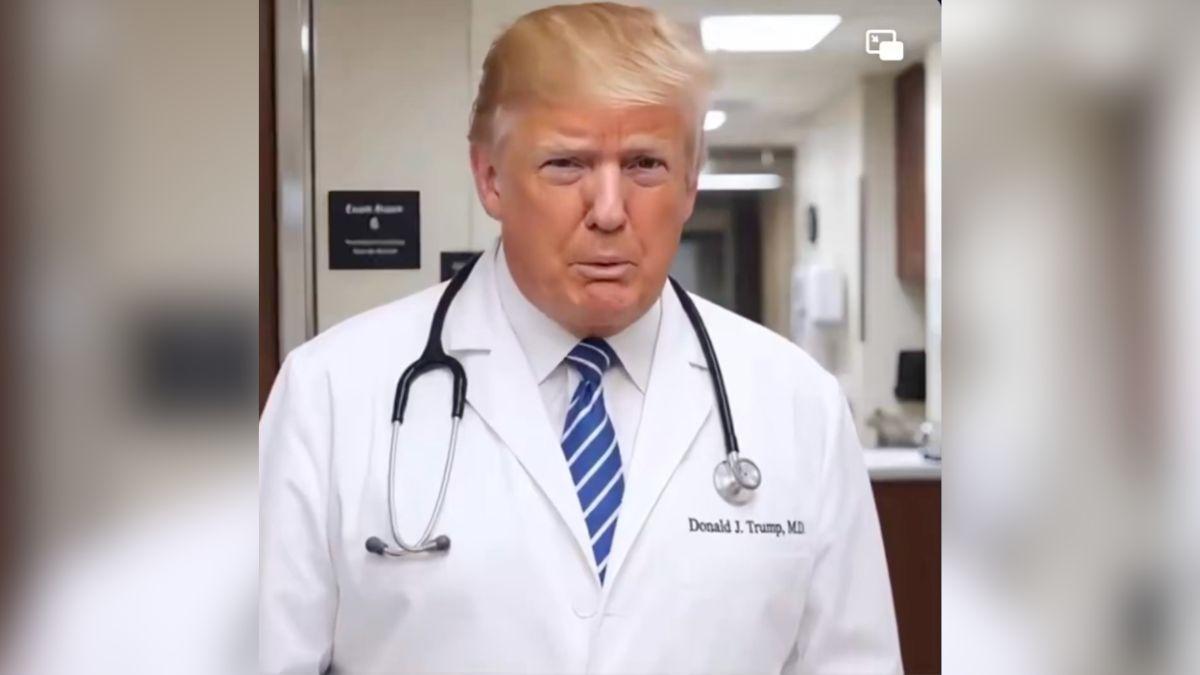
Trump played a 'doctor' treating liberal celebs for 'TDS.' in the AI-generated video.
The president's new post featured an AI-generated version of himself as a doctor diagnosing celebrities with "Trump Derangement Syndrome," or TDS.
"Have you or someone you know been diagnosed with TDS?" Dr. Trump, wearing a white coat and a stethoscope around his neck, asks in the clip. "The symptoms can be relentless. Fortunately, I'm Dr. Trump, and I have a treatment plan."
The bizarre video then introduces AI-generated versions of vocal anti-Trump celebrities, beginning with Rosie O'Donnell, who has battled the controversial politician for years.
"I have been suffering for over a decade, and after listening to Dr. Trump, I can see some results," fake O'Donnell explains in the clip. Actor John Leguizamo also appears in the video, followed by The View co-host Whoopi Goldberg, and Hollywood stars Ed Norton, Robert De Niro, and Julia Roberts.
Trump Better Be Prepared to Pay for Play
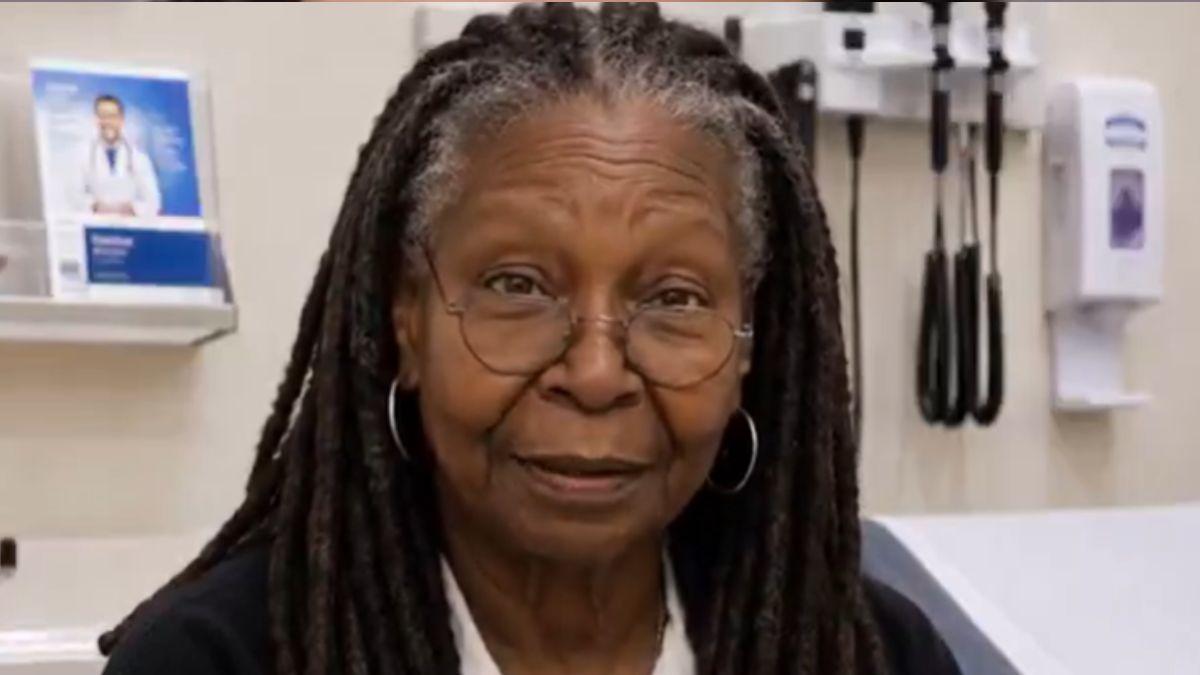
It does not appear the president got permission from adversaries like Whoopi Goldberg before recreating them.
Trump may have had himself a chuckle when he posted the parody video, but his celebrity targets could be the ones with the last laugh, after several legal experts exclusively told Radar the stars could sue.
"Generally speaking, yes, the celebrities portrayed in the video could sue and demand the post be taken down," said Paul Menes, entertainment and media lawyer. "This is because utilizing their names, images, and likenesses without their consent violates their right of publicity in California and several other states' laws."
And when it comes to a possible payout, intellectual property attorney Brandon Dorsky said Trump picked some high-priced celebs to parody.
"The existence of the AI version of the stars is essentially a substitute for paying these stars, all of whom are respected actors and actresses, who could prove they receive significant payments for their on-screen appearances," Dorsky said.
"The AI version being used deprives the star of their typical income, which is a clear and obvious economic damage, in addition to any reputational harms or loss of work that could flow from the perceived liberal celebrity being associated with a Donald Trump message."
Legal Lawsuit Loopholes
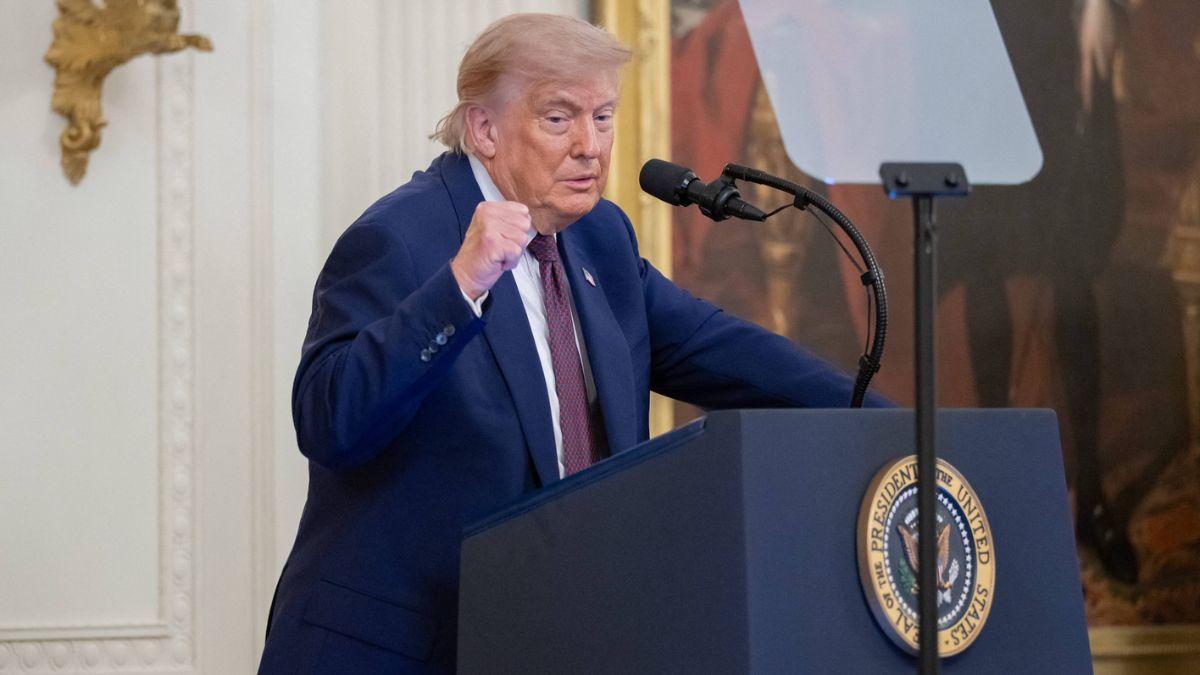
Trump could face legal challenges from the stars on several fronts.
Michael McCready, managing partner of McCready Law and one of the country’s leaders on AI adoption in the legal field, said the lawsuits could take several forms.
"I think we're going to see a wave of litigation over three major questions: Who created the AI? Who distributed it? And who is legally responsible when people reasonably believe it’s real?"
Never Miss an

Daily updates from the heart of Hollywood, right to your inbox
By entering your email and clicking Sign Up, you’re agreeing to let us send you customized marketing messages about us and our advertising partners. You are also agreeing to our Terms of Service and Privacy Policy.
AI 'Opportunities for Abuse'
The future of AI could result in much litigation.
There are broader implications from Trump's AI version of Hollywood Squares for the average, everyday American.
"The technology is improving so quickly that we're approaching a point where ordinary people won’t be able to distinguish authentic video from synthetic video," McCready explained. "That creates enormous opportunities for abuse.
"Imagine AI videos showing CEOs announcing fake earnings, doctors giving medical advice they never gave, or political candidates making inflammatory statements days before an election.
"Those scenarios move beyond parody into fraud, market manipulation, election interference, extortion and identity theft."
McCready summarized: "The law has always struggled to keep pace with technology, and AI usage like this is accelerating that challenge. The legal system is about to spend the next decade figuring out where free speech ends and digital impersonation begins."