


Last Call At The Viper Room: The Secret History Of America's Most Notorious — And Cursed — Rock Dive
Nov. 23 2021, Published 7:12 p.m. ET





Every cultural movement has a North Star. A nightspot with such gravitational it sucks in the defining art crowd of the time. The seventies disco crowd had NYC’s Studio 54, the eighties new Romantic pioneers had London’s Blitz. In the nineties, when grunge rose as an antidote to the preening, big hair and spandex heavy metal scene, one nightspot became a refuge for Gen X superstars disaffected with the unwanted trappings of their own fame.
Situated on Sunset Boulevard in West Hollywood, the Viper Room was both a cultural Mecca and an escape room for the hottest stars of the era. Behind the nondescript front doors, musicians, movie stars, and models partied, gambled, took drugs, and indulged in debauchery. The venue provided a protective cocoon where A-listers could let their hair down in privacy. It attracted stars such as Drew Barrymore, Uma Thurman, Leonardo DiCaprio, and Jennifer Aniston and the defining musicians of the age, such as The Red Hot Chili Peppers and Guns N' Roses.
The Viper Room opened in 1993 as a live music venue and had owner Johnny Depp to thank for its stellar clientele. At the time, the Pirates of the Caribbean actor and his girlfriend, supermodel Kate Moss, were the golden couple of the heroin chic clique, and the club became a venue where young actors, seduced by the stripped back anti-establishment rawness of grunge, could indulge in the scene and party in private.
Writer and performer, Pleasant Gehman, was a regular.
“It was the only game in town for young Hollywood,” she told a Vice documentary. “They were hanging out there trying to elude fame. Johnny Depp was making a valiant attempt to protect the young and famous up-and-coming arty a-listers. He wanted to create a haven for them.”
Many actors at the time had their own offshoot musical projects including Keanu Reeves, Juliette Lewis, Depp, and River Phoenix, whose name became synonymous with the Viper Room for all the wrong reasons.
Just months after it first opened, on Halloween night 1993, Phoenix, then 23, died on the sidewalk outside the club while his sister, Rain, sat on his chest trying to stop his convulsions and his brother, Joaquin, made a desperate 911 call for help.

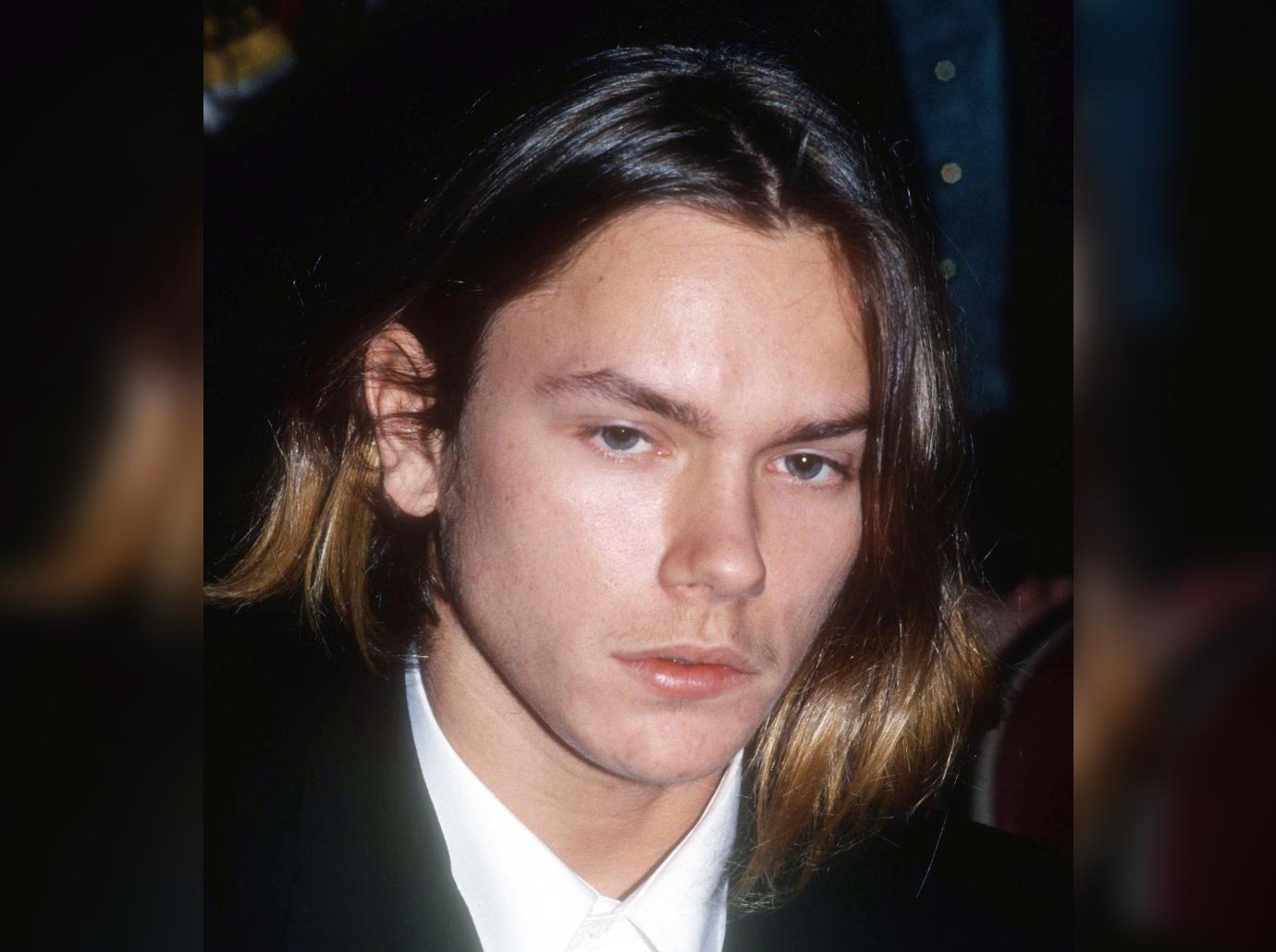
The young movie idol had overdosed on cocaine and heroin.
Like Kurt Cobain’s death a year later, the tragic event was a defining moment in the grunge era. But while the eulogies flowed, little was done to investigate the circumstances of his death. As far as officials were concerned, it was an open and shut case. Less than two weeks after the tragedy, Los Angeles County coroner’s office ruled the death was accidental and caused by 'acute multiple drug intoxication' involving lethal levels of cocaine and morphine. At the same time, the office of the county sheriff announced that its investigation had found 'no evidence of foul play.'
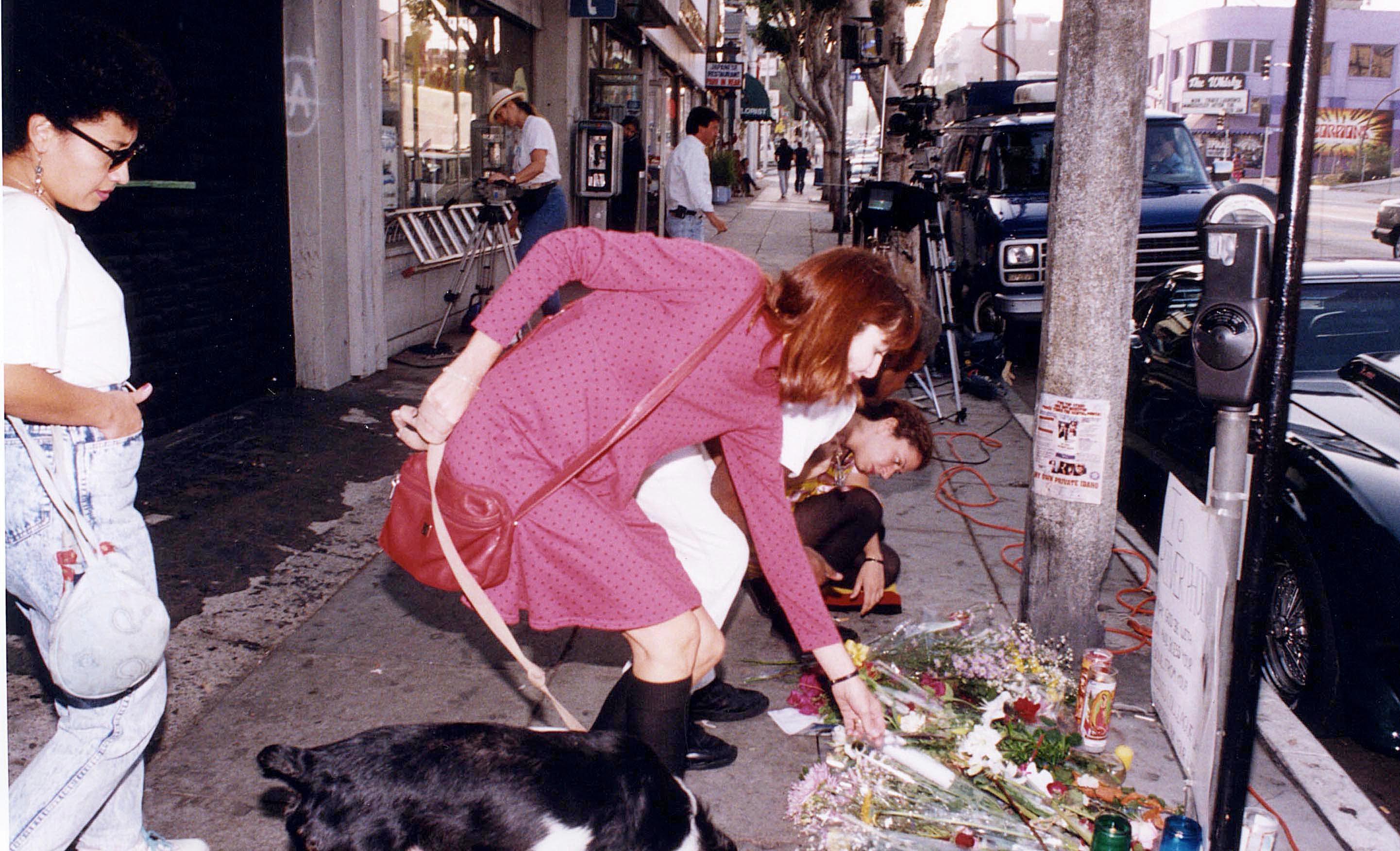
Scott Carrier, a spokesman for the coroner's office, said toxicological tests on Phoenix had found not only deadly levels of cocaine and morphine, but also traces of marijuana, the prescription sedative Valium, and an over-the-counter cold medication. No needle marks had been found on the body. It was impossible to determine when and how the drugs had been taken, but the coroner’s office explained that they had likely either been ingested or snorted.
Shockingly, almost 30 years after the death, we can reveal that the head of security at the club at the time was never questioned about that night and claims that CCTV tapes from the club were allegedly destroyed.
Additionally, conflicting versions of events that night raise further questions about the supply of drugs within the club and suggest that Phoenix may have died after ingesting a ‘spiked’ drink.
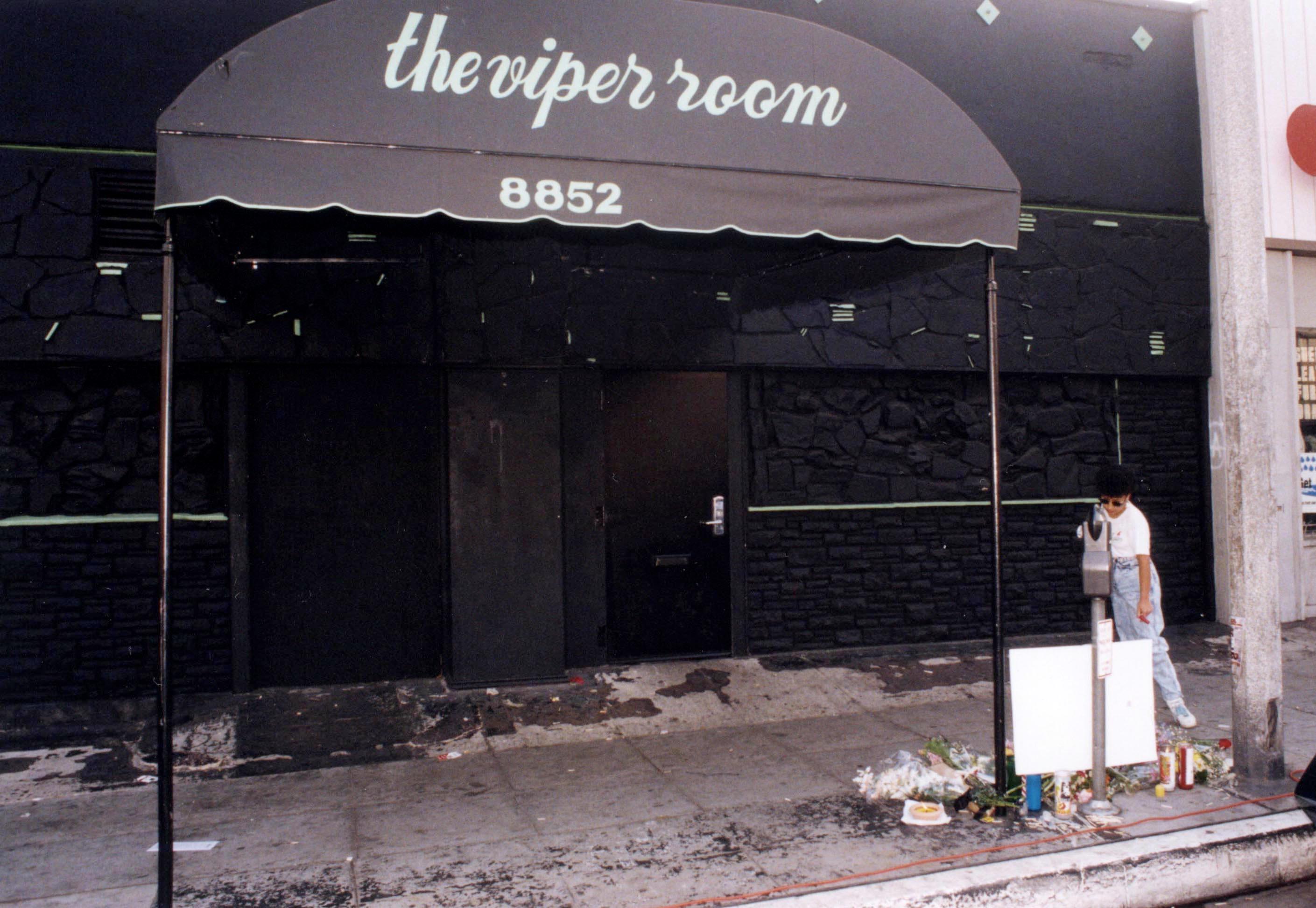
The new details come from renowned Hollywood private eye and fixer, Paul Barresi, who claims he interviewed Eddie ‘Big Ed’ Shaw, the head of security at the club. According to the version of events Shaw gave, Phoenix had been waiting to go on stage the night he died. Depp’s band, P, was playing. The line-up included River’s close friend, Red Hot Chili Peppers bassist, Flea. But before he could get on stage Shaw claims River started feeling sick and couldn’t hold himself up. Barresi says Shaw told him he guided Phoenix outside the club. Shaw also purportedly told Barresi that as police and ambulance were on their way, someone in the club destroyed CCTV tapes. Shaw says Depp knew nothing about the potential disposal of evidence and that no cops ever questioned him.
Soon after the deaths club co-owner and musician Chuck E. Weiss confirmed that there was security surveillance operational at the time, but said he believed Phoenix collapsed out of range of the cameras.
According to the version given by LAPD Detective Mike Lee, Phoenix was told by Flea that the stage was too full for him to play that night. He was so disappointed that he couldn’t play with his pal that he went looking for drugs and snorted a speedball – cocaine and heroin – before he started to panic and feel unwell.
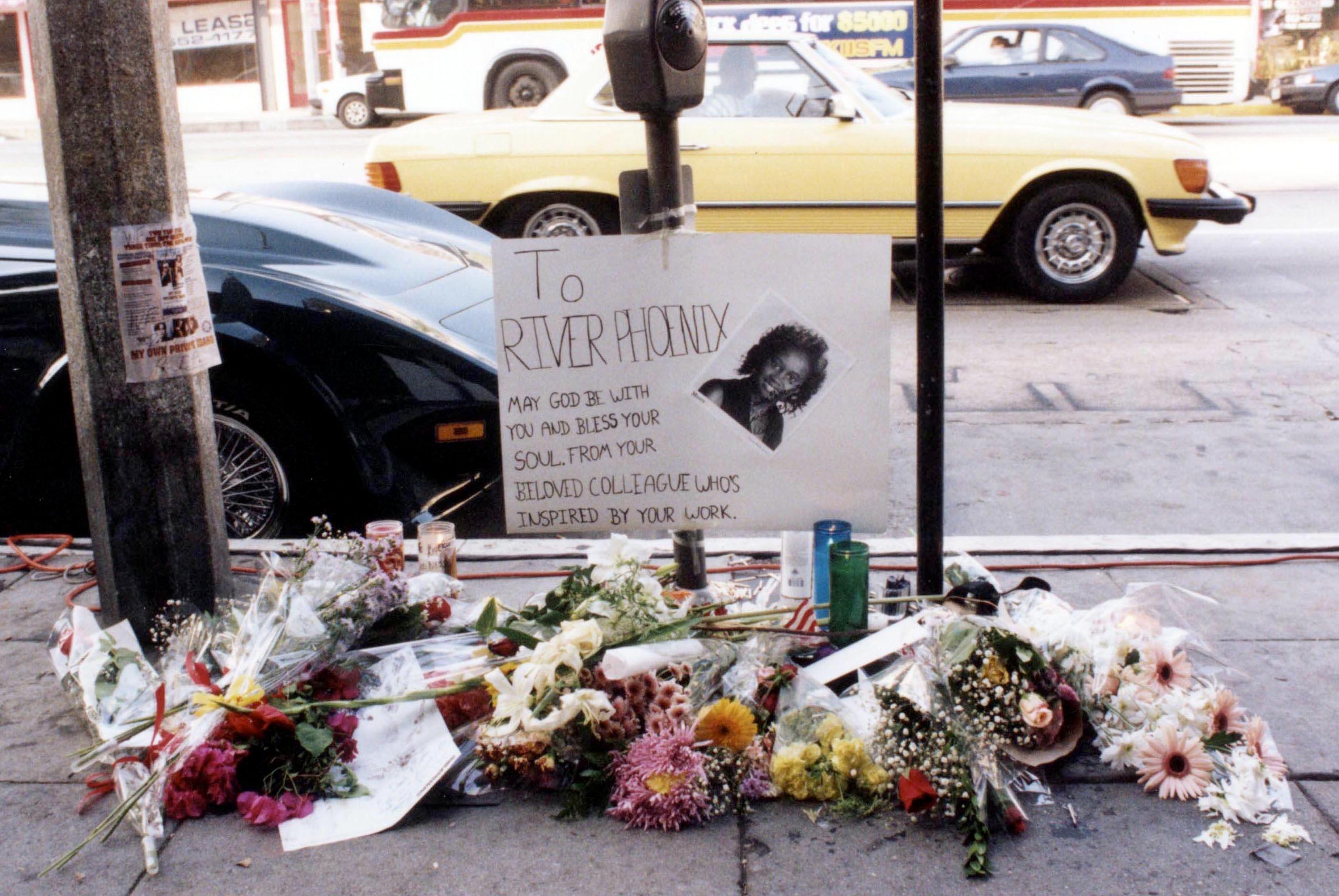
Fans left tributes to the fallen star outside of the nightclub after his death.
“Several sources told me the words he (Phoenix) used were ‘this is too much,’ or words to that effect. ‘Too much, too much,'” explained the cop.
Another version of events was given in 2013 in a book written by musician and Celebrity Rehab star Bob Forrest. In his memoir, Running with Monsters, he writes that on the night the star died a group gathered in an office in the club and began taking cocaine. He described River as ‘unsteady as a boxer who had taken one too many head shots during a 15-round bout.'
“His complete lack of motor skills made me think he was drunk. Heroin will make users lean when they stand still, but you almost never see them stumble and fall,” Forrest wrote.
He claimed that Phoenix approached him later in the evening and told him he thought he was overdosing, but Forrest replied it was unlikely as he was still standing and talking. Several minutes later Forrest heard a commotion and went outside the club where he found River’s girlfriend, American Psycho actress Samantha Mathis, screaming for help as her boyfriend convulsed on the pavement.

Samantha was so traumatized by what happened she didn’t speak about it until 2018. Her version of events differs again. She explained that she and Phoenix had never meant to stay in the club that night and had only gone there to drop off his siblings. But when they arrived River explained he wanted to play on stage. Mathis admitted that while she didn’t see anyone taking drugs, her boyfriend was high in a way that made her feel ‘uncomfortable’ and ‘way over her head’. She asserts that he took the heroin that killed him when he was inside the club.
She says she came out of a bathroom and saw what she thought was Phoenix in a scuffle with another man. The two of them were pushed out of a side door by a bouncer. When she went after them Phoenix had dropped to the ground and had gone into convulsions. She shouted at the other man: “What have you done? What are you on?” She claims he told her to leave her dying lover alone, because “you’re spoiling his high”. She tried to get back into the club to get help, but the side door was shut so she ran to the front, found Rain and Joaquin and they all dashed outside.
Yet another version has Phoenix snorting heroin in the restroom, then vomiting, then swallowing a Valium to steady himself before passing out at the bar. He then stayed in the club for a full hour getting progressively worse until his siblings took him outside where he collapsed.
Perhaps the most disturbing version, as described by writer and journalist Gavin Edwards and corroborated by some witnesses, claims River was given a spiked drink.
In the absence of any CCTV evidence, it’s unlikely the identity of the person who supplied River with the drugs that killed him, or slipped him the fatal drink, will ever be known.
The protective bubble of the Viper Room that so many A-listers relished also appears to have protected the secrets of what really went down that night.
Indeed, patrons speak of the shelter the club provided from the outside world in near mystical terms.
Counting Crows frontman Adam Duritz credits the Viper Room with saving his life when he was struggling with mental health issues after the release of the band’s debut album in 1993. He tended bar there even as the recording went multi-platinum, just to get away from the attention he received in the outside world.
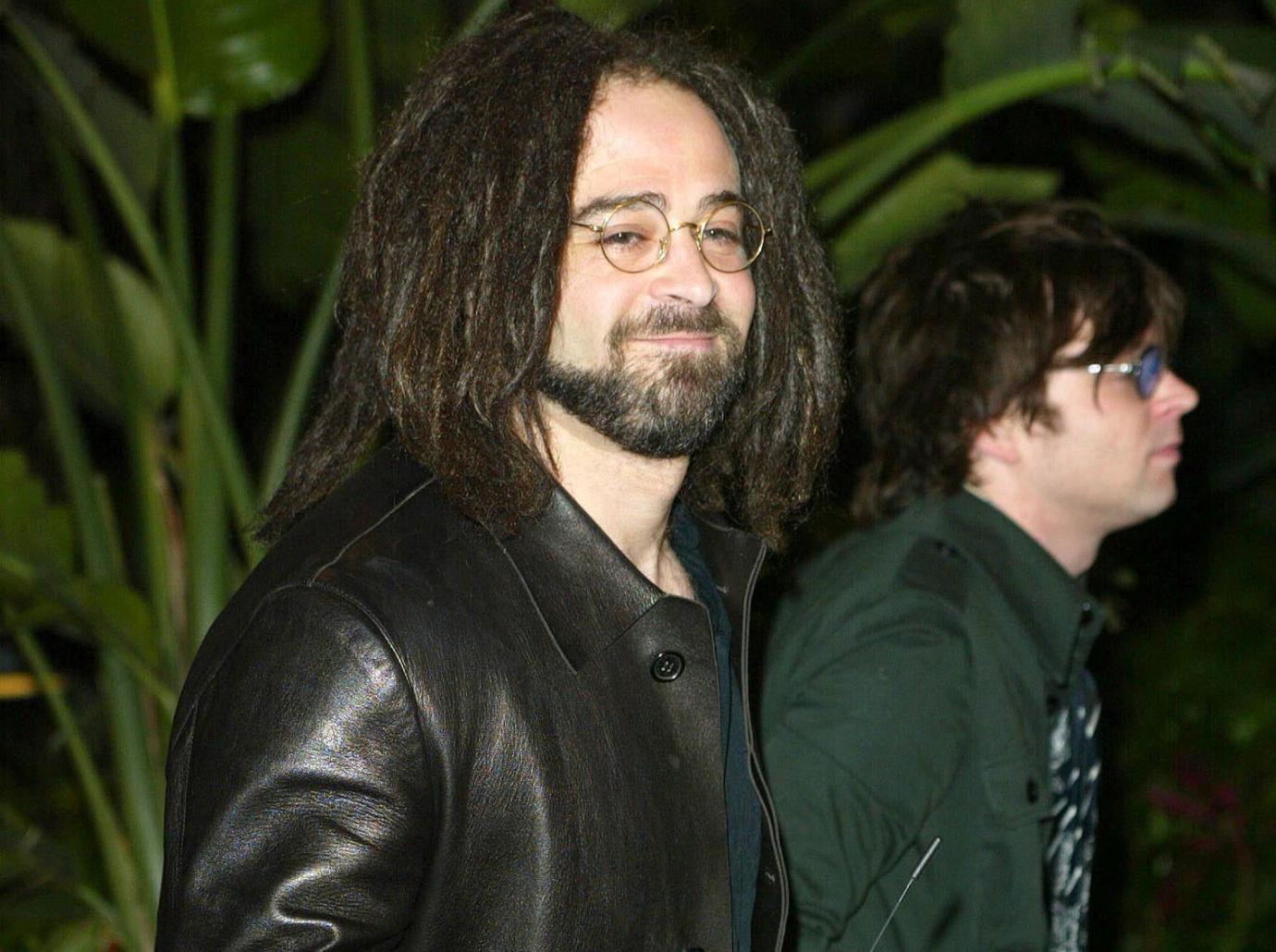
He told a documentary: “Everyone was just sneezing fame over each other. Mostly I lived at the Viper Room, night in, night out. There were a lot of interesting people that I got to talk to. That’s what the Viper was to me, a place just to be.
“The whole world had turned uncomfortable for me. The Viper Room gave me a home when I needed one. It gave me a second shot at life”
But just as Phoenix lived two lives; one as a wholesome clean-living vegan, the other as a hopeless addict, so too the Viper Room was a duality, being both insular, safe and protective, while it was also awash with drugs and, according to some, corruption, and violence.
The building at 8852 Sunset opened as a grocery store in 1921. In 1946, actor Lew Leroy turned it into a music venue called the Cotton Club which promised ‘5 acts, 5-piece band, for all-time-doings’. In 1947 the building was bought by mobster Mickey Cohen who reportedly conducted his operations from the basement. Over the next 50 years it changed hands several times and was a rock club called The Central where Chuck E. Weiss had a Monday night residency often frequented by fan Johnny Depp. When The Central went downhill, Weiss approached Depp about a takeover and the friends teamed up with other business partners including Depp’s fellow 21 Jump Street actor Sal Jenco to buy the building and open the Viper Room.
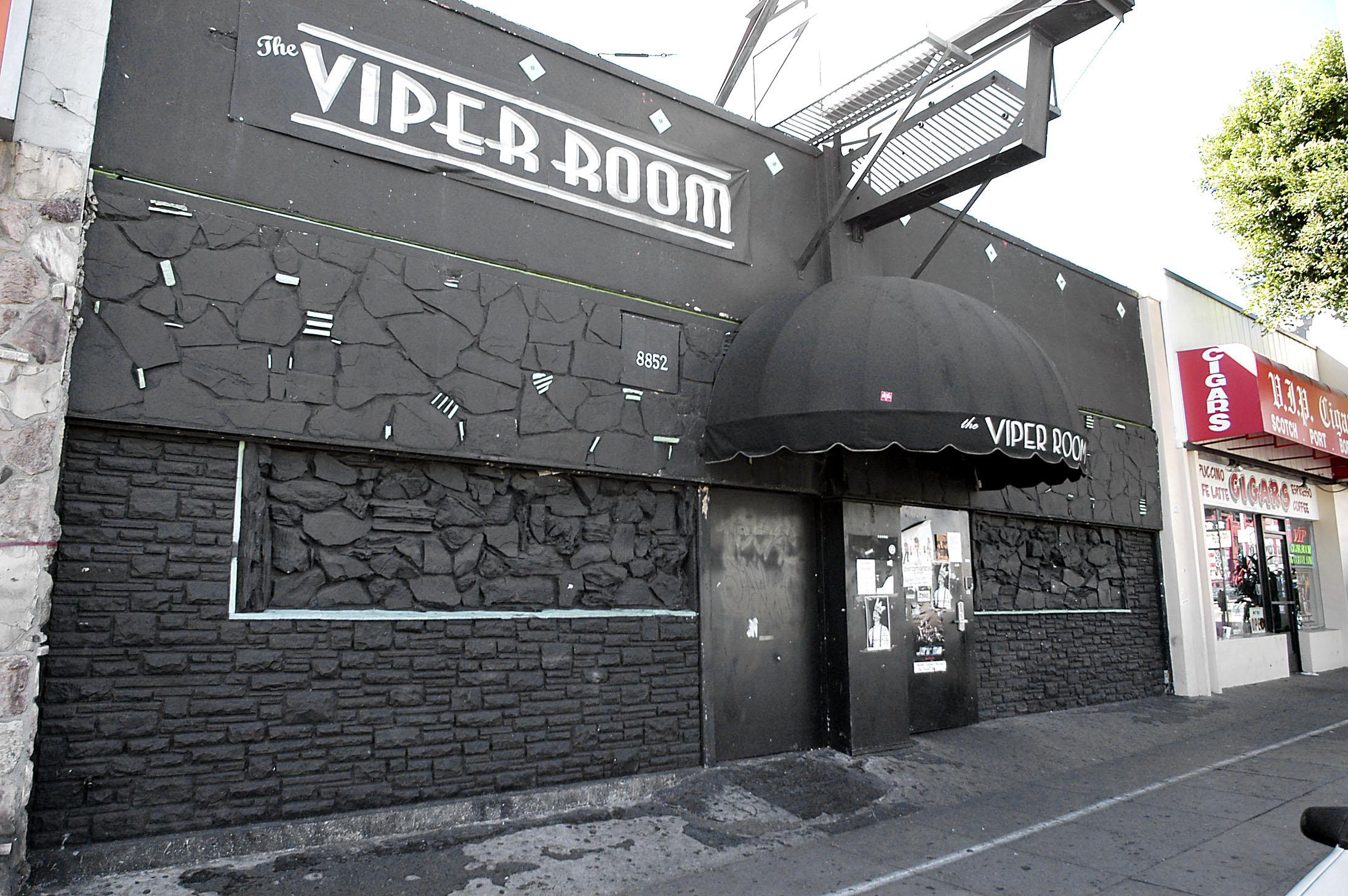
The Viper Room is still open in West Hollywood.
The building’s checkered history and mob links continued even when the cool Hollywood set moved in. According to Barresi, security boss Shaw revealed to him that one night at the club one of his colleagues ‘got into it with a wise-guy from New York, a soldier with the Italian mob’, who he coshed on the head with the butt of his gun. The dazed mobster drew his gun, and the men were separated before bullets started flying. After the incident, Shaw told Barresi that Depp instructed Jenco to buy the security staff branded bulletproof leather jackets, but Shaw told his boss his team preferred to dress formally in suits and ties.
The hulking bouncer, who once danced in the club with Naomi Campbell became lifelong friends with Depp who kept him on the payroll long after he left the club and after he was paralyzed in a traffic accident in 2006.

While patrons and management loved Shaw, some customers were not so keen. In 2003, famed Fishbone guitarist Rocky George filed a little-known lawsuit against the club and Depp claiming that in September 2001, he was attacked by several security guards, including Shaw. Shaw led the charge, unbeknown to Johnny and in his absence, according to newly uncovered, never before reported legal documents, unearthed by Barresi, it is alleged that ‘at approximately 2.00 a.m. plaintiff (George) was peacefully exiting the nightclub when, suddenly, without warning, he was physically attacked.’
According to the case files George was punched to the ground and kicked in the face, ‘causing facial bruising and broken teeth’. On November 21, 2003, after mediation, George was paid $13,500 compensation.
It wasn’t the first time Shaw’s name was linked to a lawsuit involving a tussle at the club. In 1998, photographer Russell Einhorn is reported to have been paid over $200,000 by Mick Jagger after being beaten up by one of the Rolling Stones heavies in the club. The snapper claims he took a compromising shot of Jagger with actress Uma Thurman in one of the venue’s cosy booths.
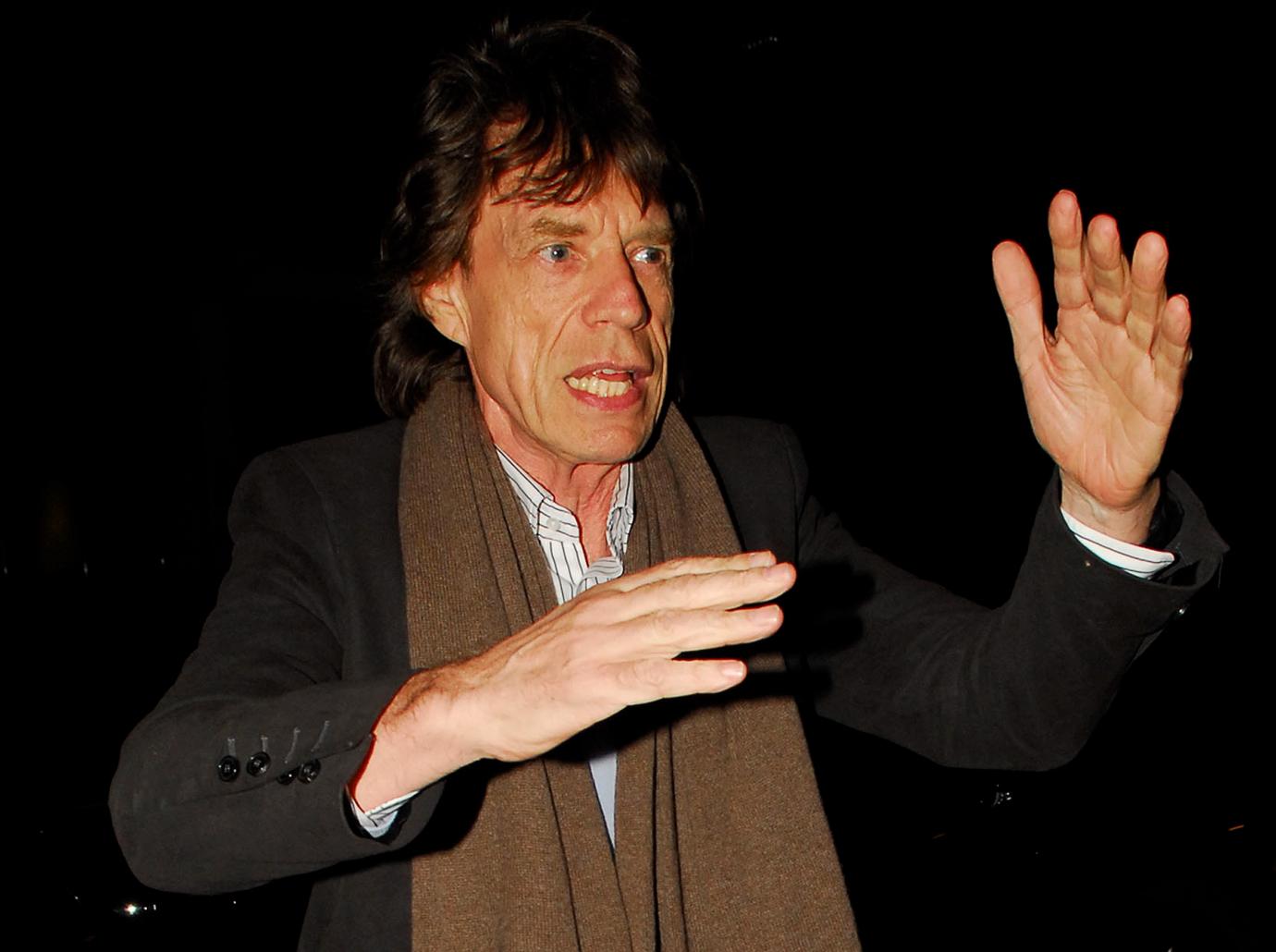
"He was kissing her and had his hands all over her," Einhorn told reporters. "His leg was cocked over hers. It was too good a picture to pass up. Can you imagine? Rock's greatest icon kissing Uma. My instinct was to take the picture.”
Jagger's dreadlocked karate expert bodyguard Rowan Brade and two bouncers allegedly grabbed the camera and threw Einhorn out of the club.
"I started talking to Ed the bouncer," Einhorn explained. "I asked him what the hell it was all about and he told me I should know better than to take pictures. He told me I was banned for life. I also asked him which bouncer had thrown me to the ground and he said it wasn't one of them, it was Mick's personal bodyguard."
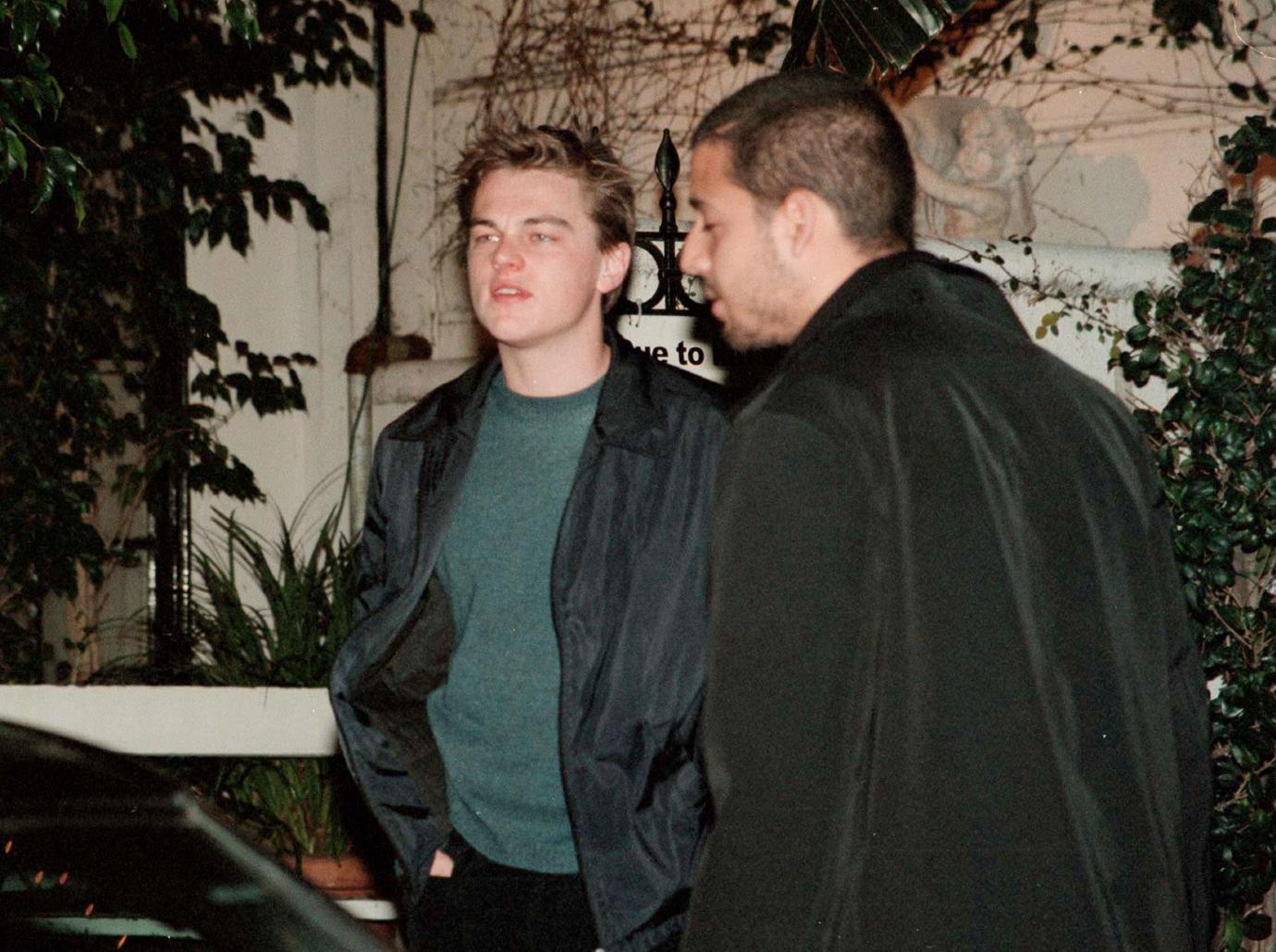
Celebrity anecdotes set in the club pepper nineties and noughties showbiz folklore. It was once the home of an underground poker ring, reportedly founded by Spider-Man actor Tobery Maguire, that welcomed A-Listers such as Ben Affleck, Matt Damon, Leonardo DiCaprio, and The Notebook director Nick Cassavetes. The ring inspired the 2018 movie Molly's Game.
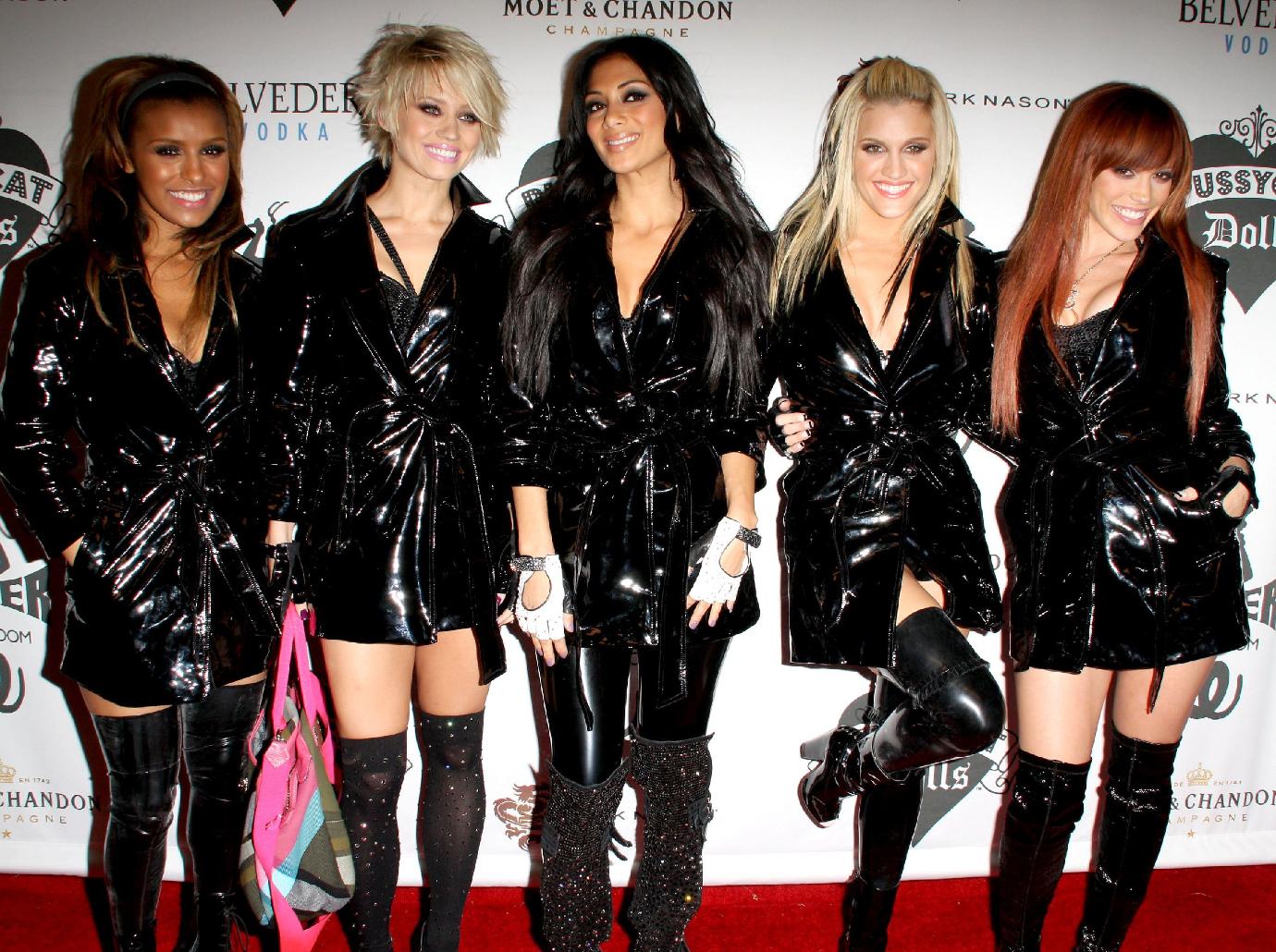
It was also the place where the Pussycat Dolls were formed as a burlesque group with a regular residency that ran from 1995 to 2001. They auditioned in front of Depp who immediately gave them the gig.
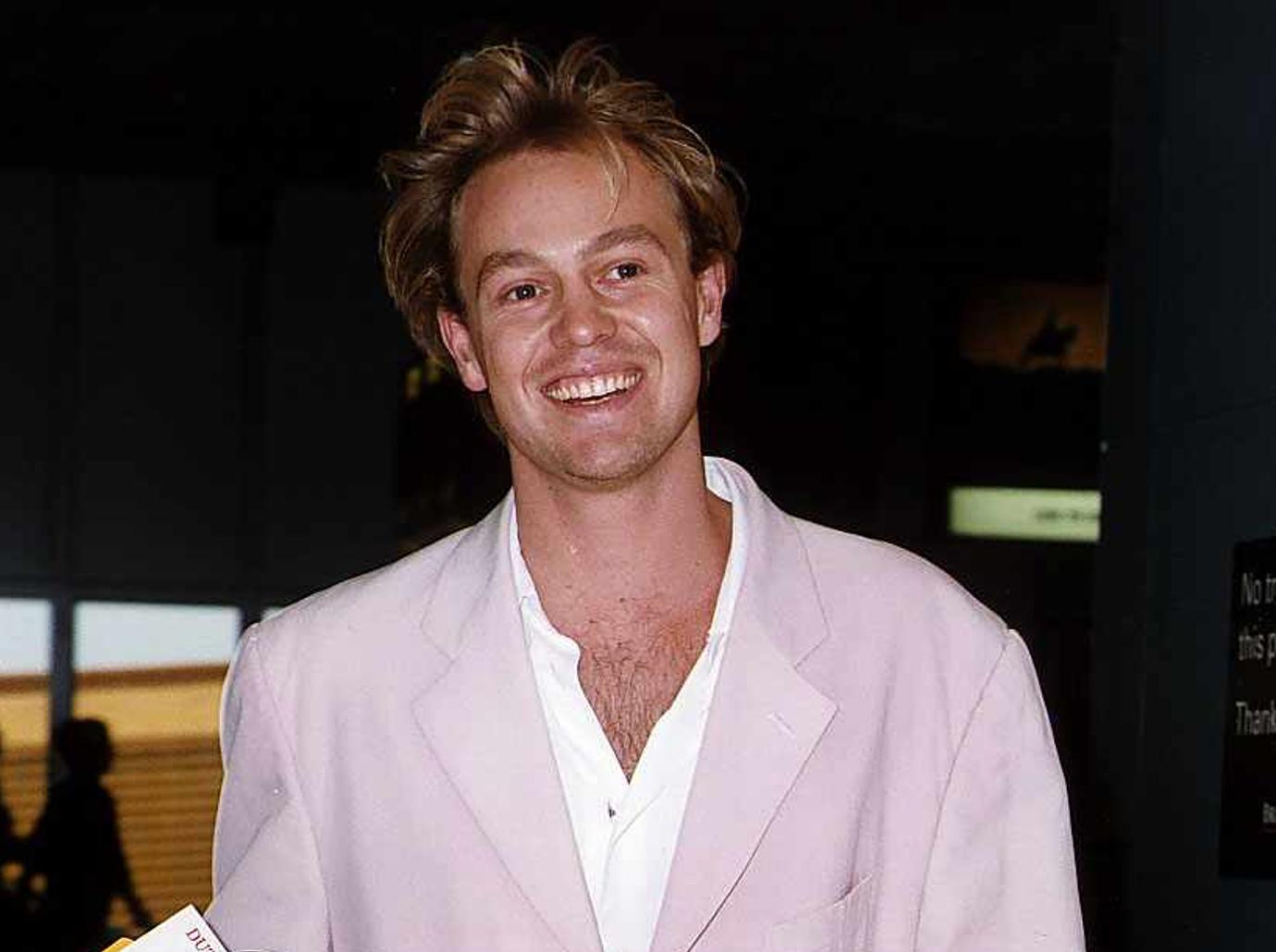
But stories of drug excess were never far away. In 1995, a little more than a year after Phoenix died, Depp threw a birthday party for Kate Moss. Australian soap star-turned-singer Jason Donovan was on the guest list and snorted lines of cocaine through the night, eventually collapsing with cocaine-induced seizures. He was wheeled out of the Viper Room on a stretcher.
In his memoir, Between the Lines: My Story Uncut, Donavan recalls: “My heart was racing, my vision was blurring, and I was becoming disoriented. I tried to steady myself, but my legs buckled under me and I fell to the floor. I am not sure what happened next, but I do know that someone had pulled the plug on the music and was calling for an ambulance. A crowd had circled round me and Michael [Hutchence of INXS] was standing over me trying to empty my trouser pockets. ‘Have you got anything on you?’ he kept asking me. I tried to speak but couldn't. ‘It wouldn't be cool if anything was found on you by the medics,’ he whispered. I must have blacked out again after that - the next memory I have is of being carried out of the club by paramedics on a stretcher.”

Never Miss an

Daily updates from the heart of Hollywood, right to your inbox
By entering your email and clicking Sign Up, you’re agreeing to let us send you customized marketing messages about us and our advertising partners. You are also agreeing to our Terms of Service and Privacy Policy.
Two years later, on January 20, 1997, Red Hot Chili Peppers guitarist John Frusciante, who performed a rambling drug-induced set at the club the night Phoenix died, performed at the Viper Room again. It was supposed to be a triumphant return to form. Instead, it was a disaster. At the height of his drug addiction, Frusciante could barely sing.
One critic wrote: “His upper teeth had fallen out, his legs, arms and ankles were pocked by cigarette burns and his fingernails were bloodied. Only 28 - and already a lauded guitarist credited with reinventing the art - Frusciante had become a rock'n'roll drug cliché.”
Despite the stories of excess and debauchery, Depp, who it is claimed was not at the club as often as people realised, held onto his pet project. In the end, it was business and not controversy that forced him to turn his back on the haven he’d tried to create for his friends.
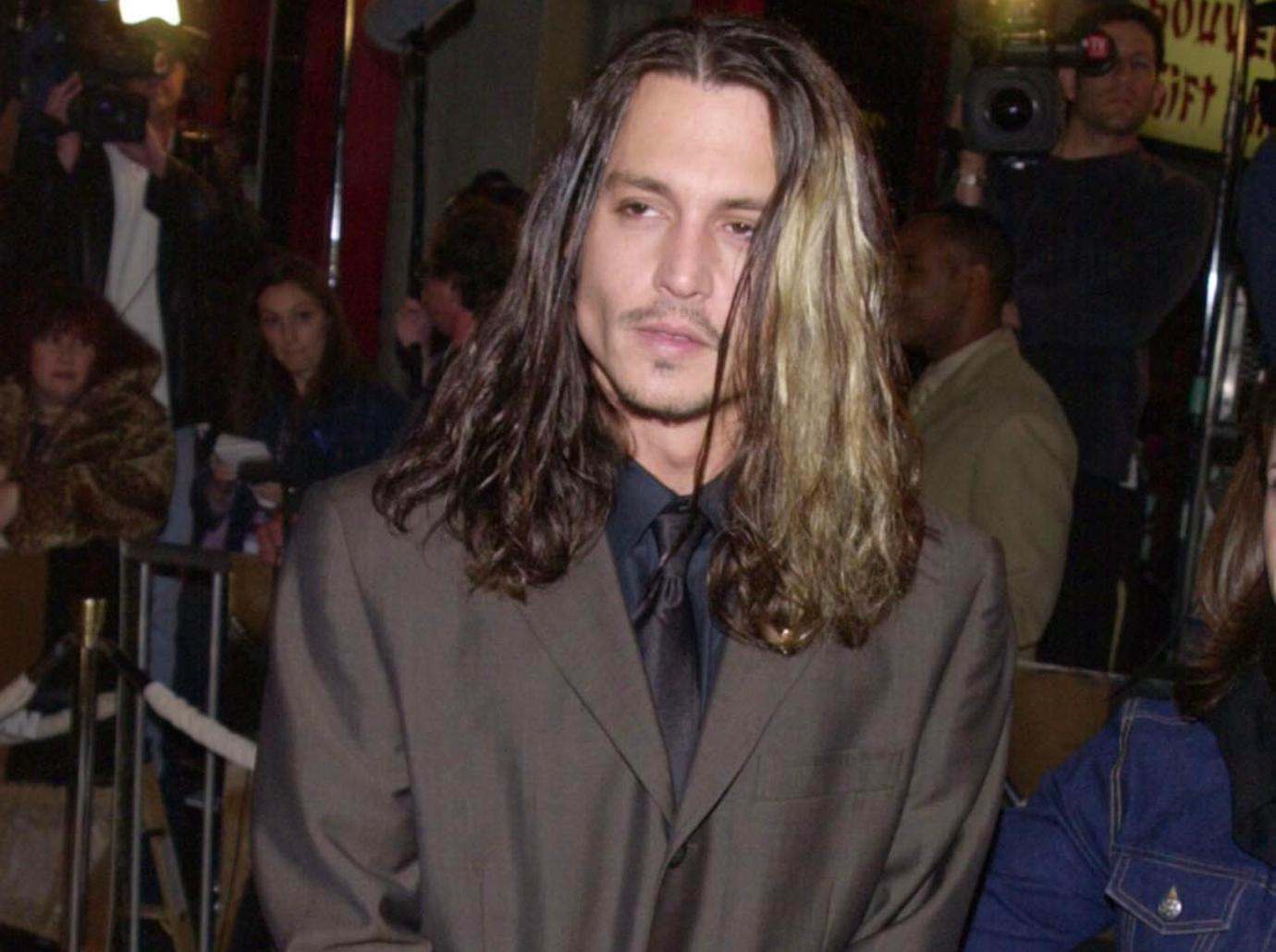
In 1999, he found himself embroiled in a multi-million-dollar lawsuit filed by his business partner, Anthony Fox. Fox owned a 49 percent stake in the business and had begun legal proceedings against Depp alleging that the actor conspired with four other individuals to cook the books, commit fraud and divert millions away from the club.
In late 2001, Fox was preparing to testify against Depp but on December 19 he went missing along with his pickup truck and .38-caliber rifle. The vehicle was found abandoned in Santa Clara, California, on January 6, 2002. There was no sign of Fox, his bank accounts were not touched, and his disappearance remains a mystery.
The fact that Fox disappeared shortly before he was due to testify led to suspicions that Depp was responsible. There were also rumours that he was the victim of a mafia hit. The lawsuit was continued by Fox’s family and in 2004, Depp eventually settled and turned over his share of the Viper Room to his former business partner's daughter, Amanda.
That may not be the end of the tale, however. According to a shock report in the National Enquirer last year, Barresi claims to have tracked Fox to the UK. He also told reporters he had spoken to Fox’s former wife who claims she saw him in LA six months after he vanished – or at least someone who looked just like him - and that he had done a disappearing act previously in their relationship in an effort to get away from her. Barresi’s claims have yet to be corroborated.
With Depp out of the picture, the Viper Room lost its star appeal. The movie stars and musicians found new places to hang out. And by the early 2000s a new breed of celebrity had started to invade the Strip. Reality TV stars such as Paris Hilton and Nicole Ritchie chased fame for fame’s sake. They courted publicity to build their ‘brands’. Celebrity became a business. Fame was no longer the unwanted by-product of artistic talent. It was a means to an end. These publicity hungry upstarts wanted to be seen. They tipped off the paparazzi when they went out on the town and happily aired their dirty secrets in public, because all publicity was good publicity.
To this new type of celebrity, the idea of going to a club where their privacy could be protected from prying eyes just didn’t make commercial sense. The Viper Room ethos of shielded sanctuary became a quaint eccentricity of a by-gone age.
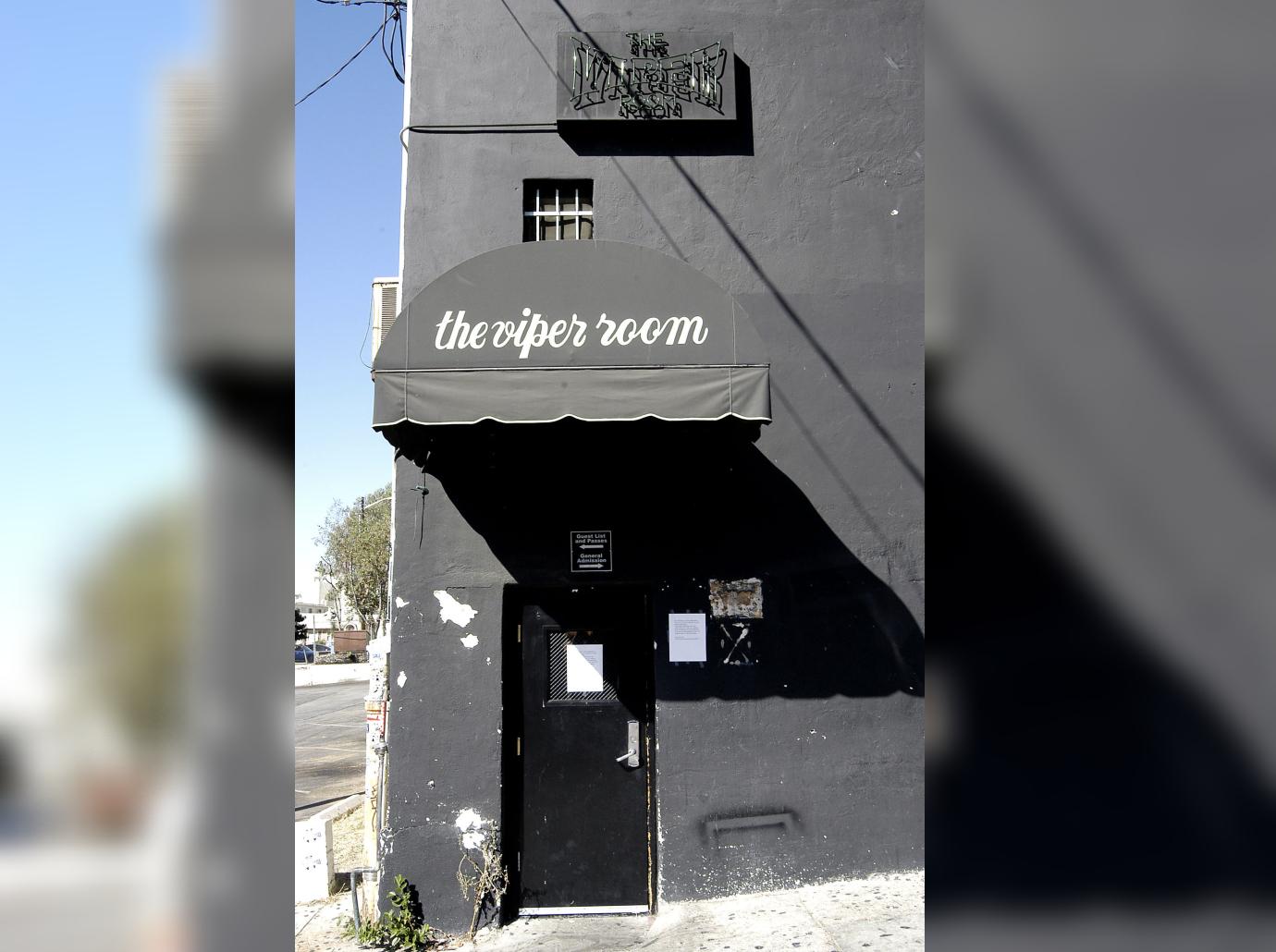
But the club continued. Amanda Fox sold it to restauranteur Harry Morton in 2008 and in 2018 Arizona property firm Silver Creek Developments bought the block the club stands on for $80m, which it plans to demolish and replace with a stunning new 15-story development. According to plans, the new structure, which will be called 8850 Sunset Blvd, would rise 189 feet above the Strip and will include a 115-room hotel, 41 residential condos, a 15th floor restaurant, retail units and a large digital billboard. The project is currently awaiting approval. If granted, demolition would commence in September or October 2022.
And while this would mark the physical end to the original Viper Room, the name will live on in a proposed new live music venue incorporated in the design.
Is it fitting that one of Hollywood’s most notorious nightclubs will rise like a glittering phoenix from the ashes? Probably not. The Viper Room name will always be linked to the tragic events of October 31, 1993. Any glittering new architectural incarnation stands the risk of being seen as a gaudy gravestone and a memorial to a tragedy that defined an era. The real Viper Room died a long time ago.
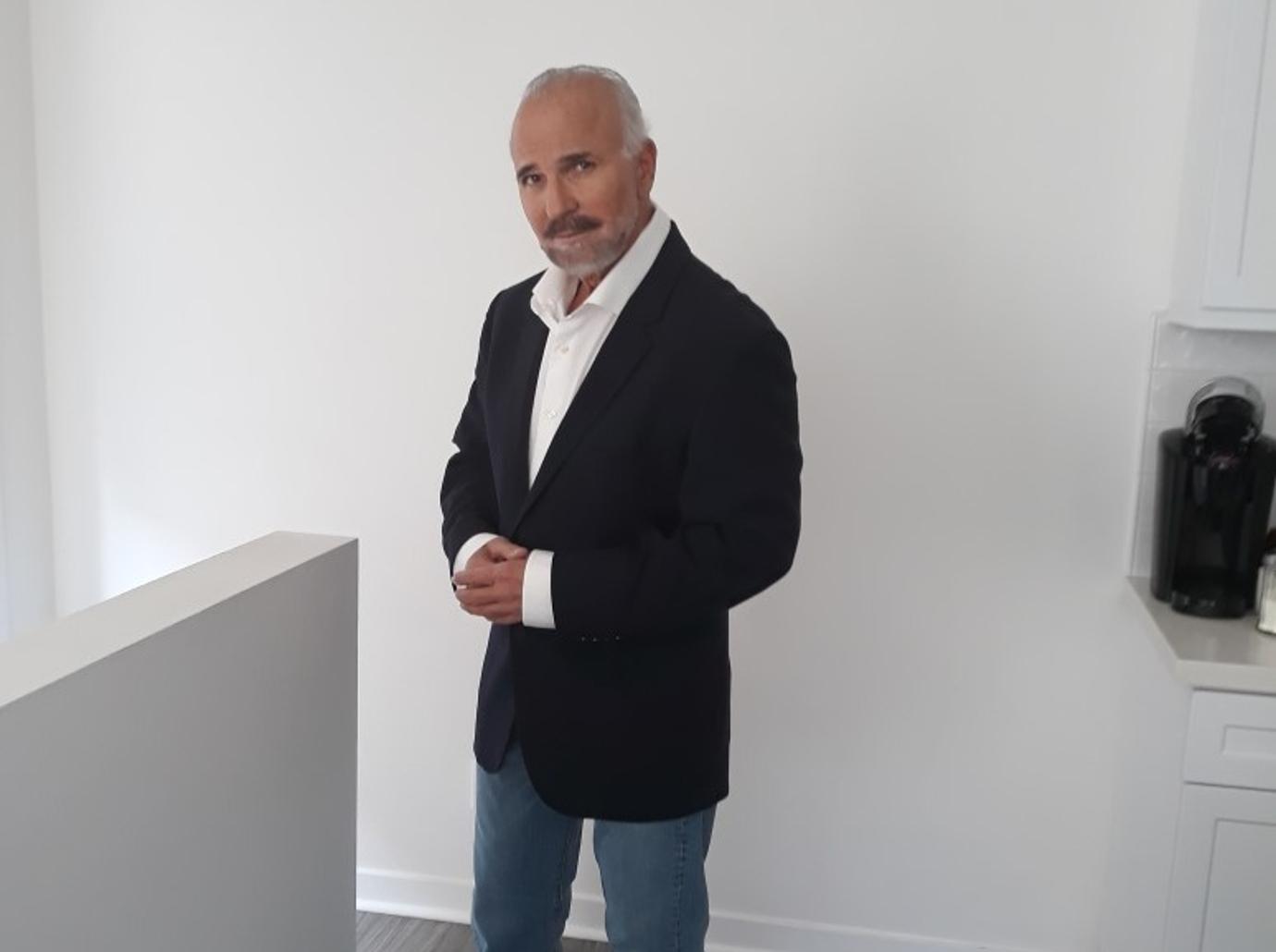
Hollywood Fixer Paul Barresi