


Why I Choose Youth Stem Cell Therapy in Tijuana Every Year

Zack Mozes gets youth Stem Cell treatment
Aug. 26 2026, Updated 12:44 p.m. ET





Longevity treatments are no longer the topical anti-aging products of old. Advanced regenerative cellular medicine is among the fastest-growing global markets. Leading this charge is the emerging use of Induced Pluripotent Stem Cells, or IPSCs. These are adult cells, edited into an embryonic-like state to replicate any cell in the body and differentiate themselves from other cells, a complex, scientific, highly individualized process.
Around the world, clinical trials are ongoing. Safety and efficacy are under scrutiny. The approval process is well underway. However, with anecdotes mounting of clear and obvious benefit, proactive consumers are traveling abroad to access these treatments, and many for life- and youth-extending reasons rather than for treating disease. Turns out, there are healing truths here, and the evidence is mounting behind them.
Questioning Stem Cell Therapy in Tijuana

To understand the costs, the realities, and the practical processes behind private stem cell treatments, we interviewed Zack Mozes, founder of NewDeez and Godfather of AI Marketing. Recently, Zack completed his second consecutive year of autologous iPSC therapy and, in his own words, feels healthier, younger, and more energetic than ever before. After watching his now-viral video, we reached out with some questions.
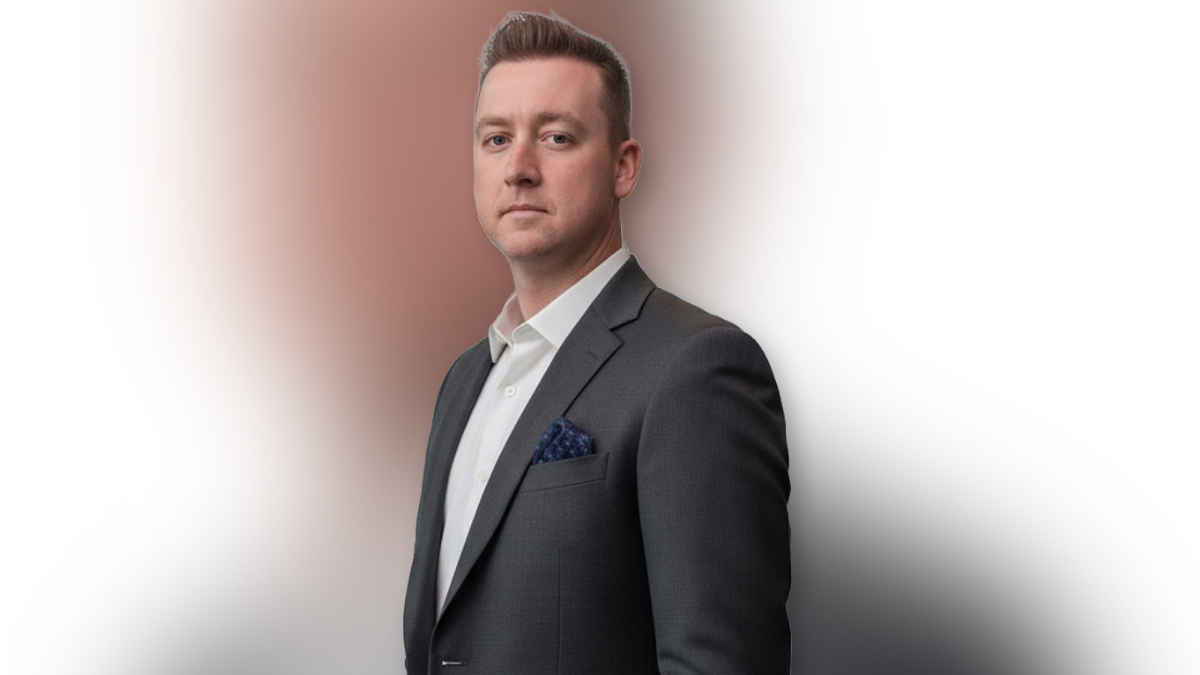
Zack Mozes, founder of NewDeez, has now completed two consecutive rounds of autologous iPSC therapy in Tijuana
Speaking on the condition of objectivity, Zack gives us a non-promotional review of his own experience with this stem cell anti-aging treatment. He breaks down the science for us, the reasoning for doing it, the culture behind it, and the easy access to regional clinics in Mexico. In response to our questions, we got an exact, step-by-step guide through his receiving 100 million of his own stem cells somewhere in Tijuana.
The Motive: Preventative Longevity
Matthew Kayser: To start, what exactly drove you to undergo such an advanced medical procedure like iPSC stem cell treatment? Many people associate the use of stem cells with the treatment of chronic degenerative illnesses or severe and debilitating injuries.
Zack Mozes: I have no underlying illnesses, so I did not do this for any external medical reason. There is nothing wrong with me. My goal is purely preventative. It is about extending life, improving health, avoiding disease, and staying younger longer.
The reasoning behind stem cell therapy is, for me, to put as many young and healthy cells into my body every year. This effectively replaces old, slow-to-work, sick cells, revitalizes working cells, and introduces new cells before any systemic decline occurs.
I had stem cell treatment last year. This is my second round, and I intend to continue these sessions on a yearly basis. It offers the most advanced method of biological maintenance, at the cellular level, and ultimately a long, sick-free life.
Matthew Kayser: For educational context, the medicinal framework behind autologous iPSCs is that they are patient-specific, so replicated directly from your own genetic material. How did clinicians explain this to you, and how did it work from a logistical perspective?
Zack Mozes: Exactly. They are replicating my own cells to prevent immune rejection. Logistics were highly efficient, and while it took two days to do it, the process was fluid and very effective. On the first day, I visited the clinic and they drew my blood.
They then isolated that sample in a laboratory and replicated my cells into a concentrated dose. The next day, I returned to the clinic where they injected 100 million of these new cells directly back into my body. The procedure took around an hour.
Navigating Cost and Culture
Matthew Kayser: Let us talk about the economics. Stem cell treatments are pricey, an out-of-pocket expense, rarely covered in the West by traditional health insurance. What does stem cell therapy cost in Mexico, and what was your experience dealing with the clinic?
Zack Mozes: Economics plays a major role in this story, especially in Mexico, or anywhere outside of Western medical systems. The clinic prices this specific procedure at $5,000 on its official website, but I only paid $4,200. So, there is a lot of wiggle room.
Matthew Kayser:: In the United States and throughout the Western world, medical fees are typically fixed. Non-negotiable. How did this haggling play out, and what does this culture of negotiation reveal about the international landscape for medical tourism?
Zack Mozes: That distinction is important. In the West, the price is the price. Patients never question, never ask. In Tijuana, however, negotiation is highly anticipated. Expected. It is deeply embedded in the local business culture, a well-honed skill.
Accepting the listed price means you will overpay. Treating international medical care with the same consumer mindset you would use in a local market makes negotiation easier and the final cost significantly cheaper. For clinics, this dialogue is common.
Important Note: The Scientific Landscape


While people are accessing autologous cell expansion through private clinics in Mexico and other countries, the wider scientific community remains cautious about using direct intravenous or systemic stem cell injections for general anti-aging. However, as the U.S. National Library of Medicine explains, the body does not reject its own cells. Other peer-reviewed data confirm that autologous iPSCs eliminate immune rejection.
Since this procedure harvests and replicates cells from the patient’s own body, its healing potential is immense and widely recognized. However, large-scale commerce faces many regulatory challenges, particularly around manufacturing costs, cell standardization, and long-term surveillance and monitoring for genomic stability. Until then, is stem cell therapy in Mexico safe? Yes, it is, but legally, you are on your own.

Never Miss an

Daily updates from the heart of Hollywood, right to your inbox
By entering your email and clicking Sign Up, you’re agreeing to let us send you customized marketing messages about us and our advertising partners. You are also agreeing to our Terms of Service and Privacy Policy.
Final Thoughts: The Bottom Line
For patients considering this treatment privately, options are plentiful. However, the reality combines cutting-edge cellular replication and high out-of-pocket costs with an unregulated international marketplace where consumer negotiation skills are just as important as clinical screening. This leaves patients to navigate a high-stakes frontier where medical breakthroughs and predatory marketing come dangerously intertwined.